















Van Flooring
1 product
1 product
Updated June 2026 — Van model compatibility, thickness guidance, and 2026 pricing updated.
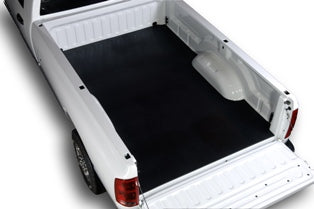
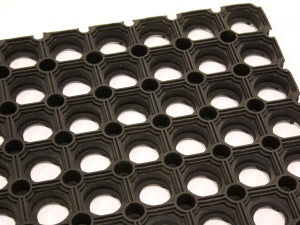
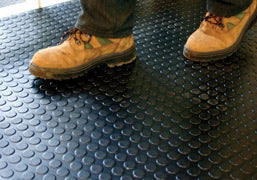
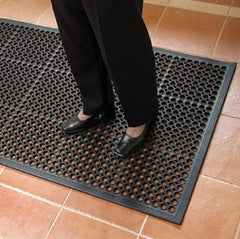
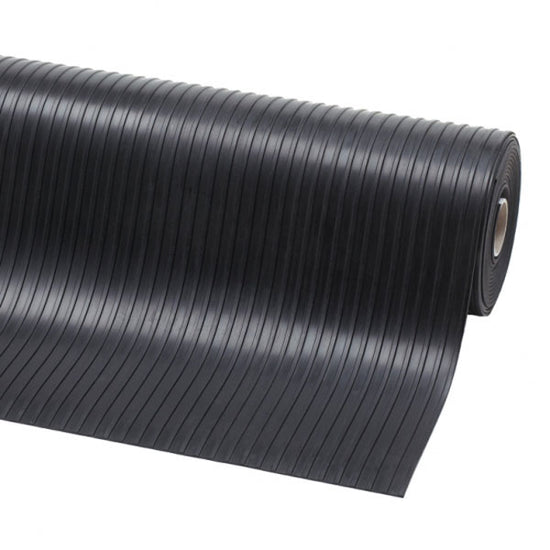
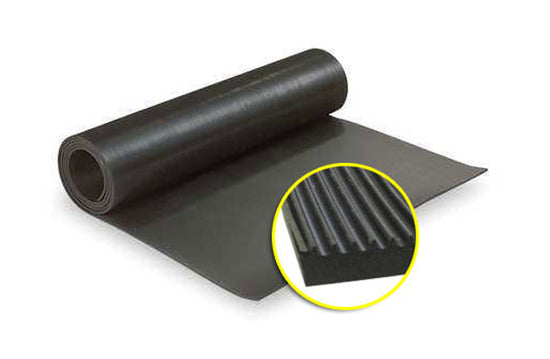
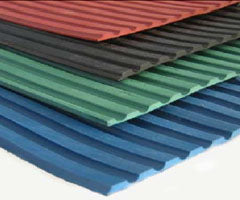
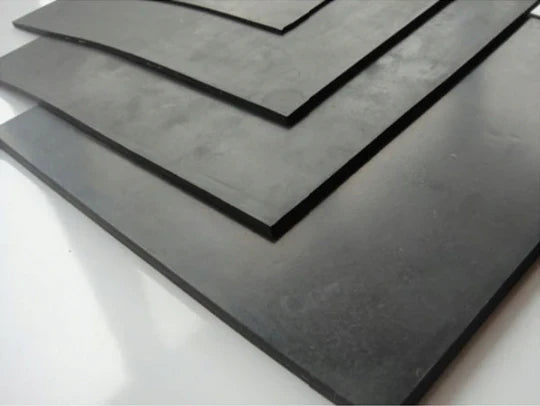
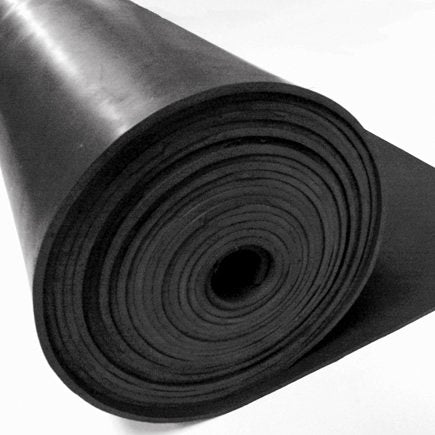
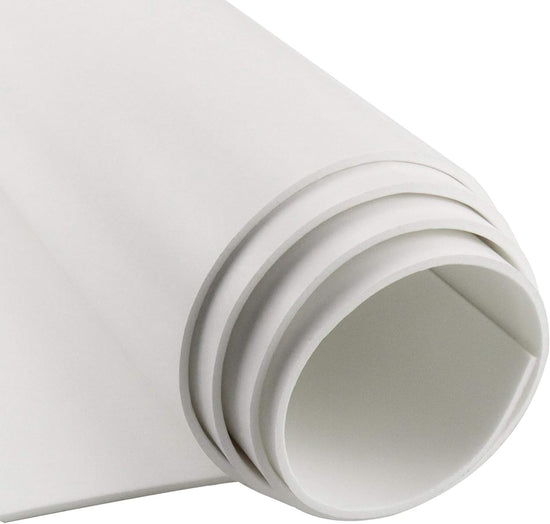
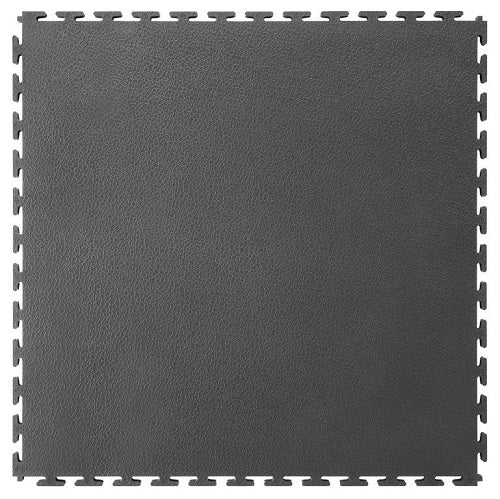
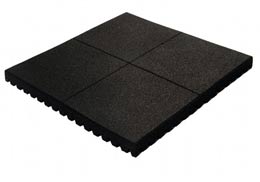
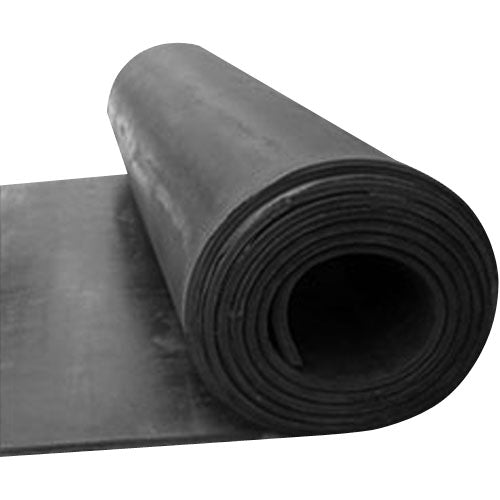
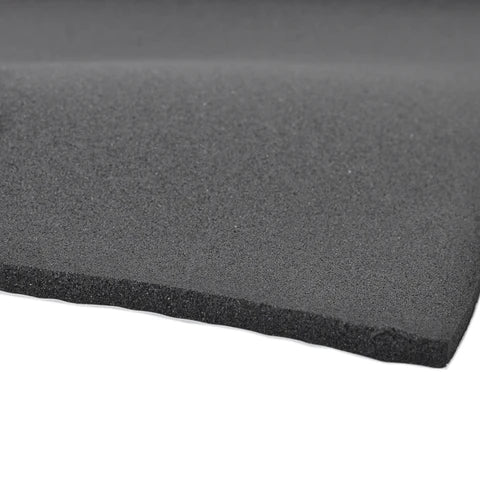
Rubber van flooring protects your van's load bay from cargo damage, provides anti-slip security for loads, and reduces noise and vibration in the cab. Our van flooring is cut to size or supplied as rolls — suitable for all popular UK van models including Ford Transit, Mercedes Sprinter, Volkswagen Crafter, and Vauxhall Vivaro.
| Thickness | Best For | Weight per m² | Approx. Price |
|---|---|---|---|
| 3mm | Light vans, minimal noise reduction needed | ~3kg | £8–12/m² |
| 4–5mm | General cargo vans, good noise reduction | ~4–5kg | £10–18/m² |
| 6mm | Heavy-duty use, maximum durability | ~6kg | £15–25/m² |
| 10mm+ | Anti-fatigue for standing work, workshop vans | ~10kg+ | £22–35/m² |
| Material | Cost | Durability | Slip Resistance | Verdict |
|---|---|---|---|---|
| Rubber matting | Medium | 10–20 years | Excellent | Best overall choice |
| Ply board lining | Low | 3–5 years | Poor when wet | Budget option, poor wet performance |
| Carpet | Low–Medium | 2–4 years | Variable | Looks good, soaks contamination |
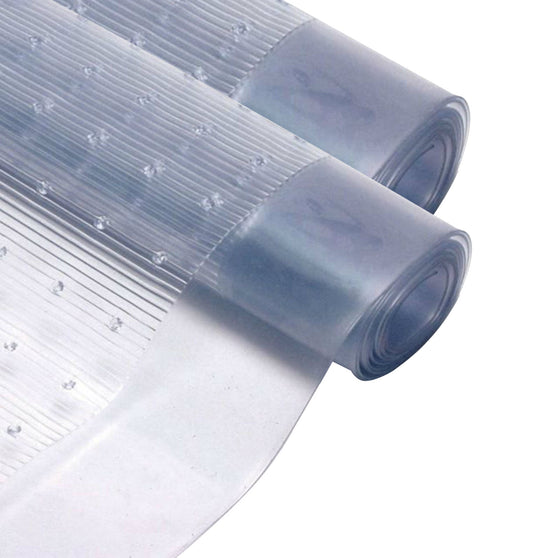
| Vinyl | Low | 3–7 years | Good | Less durable than rubber under cargo |
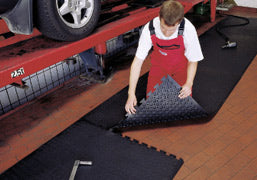
Measure load bay length and width at the narrowest point. Allow for wheel arch intrusions — most rubber can be cut around these with a sharp knife. A template made from cardboard is the most accurate approach for complex load bay shapes.
Our rubber van flooring is cut to your exact measurements, fitting all common UK van models:
Order a custom cut length or standard roll and trim to fit on site.
The rapid shift to electric and hybrid vans in the UK fleet market (Ford E-Transit, Mercedes eSprinter, Vauxhall Vivaro-e) has created specific considerations for van flooring:
| Trade | Recommended Thickness | Surface Type | Reason |
|---|---|---|---|
| Electrician | 4–5mm | Ribbed SBR | Tool protection, anti-slip for cable drums |
| Plumber | 5–6mm | Smooth or ribbed SBR | Chemical/fluid resistance, easy clean |
| Builder / general trades | 6mm | Heavy-duty ribbed | Heavy tool loads, abrasion resistance |
| Flooring installer | 4mm | Smooth SBR | Protects carried flooring from damage |
| Mobile mechanic | 6mm nitrile | Nitrile rubber | Oil and fuel resistance essential |
| Food delivery | 4–5mm | EPDM or food-safe SBR | Hygienic surface, easy to sanitise |
| Events/AV | 6–10mm anti-fatigue | Anti-fatigue SBR | Standing work in van — comfort essential |
For a full Ford Transit (long wheelbase) load bay, expect to use 5–7m² of rubber matting. At typical rubber pricing of £10–£25 per m² depending on thickness, the material cost is £50–£175. This is substantially less than van floor liner kits (£200–£500) and provides better performance in most commercial applications.
Yes — rubber matting is popular for campervan conversions. It's durable, easy to clean, waterproof, and handles the variable temperatures of a camper van environment well. For the main living area, 6mm SBR ribbed rubber is most common. Some converters use 10mm anti-fatigue rubber in the kitchen/cooking area for standing comfort. Nitrile rubber is used in the "wet room" area for water and chemical resistance.
Yes — Rubberco supplies rubber matting rolls cut to your specified length. Simply measure your van floor (including noting wheel arch positions) and order the appropriate length. We cut cleanly to your dimensions. For complex shapes, order your roll and cut to the template yourself using our cutting guide.
For a standard Ford Transit used for general cargo delivery, 4–5mm SBR rubber provides a good balance of durability, noise reduction, and weight. For a workshop or mobile tradesmen's van, 6mm gives better long-term protection.
Yes — SBR rubber cuts cleanly with a sharp Stanley knife or jigsaw. Make a cardboard template of the wheel arch shape first, transfer to the rubber, and cut. The material is forgiving and trimmable to any shape.
Yes — rubber has natural sound and vibration damping properties. Thicker rubber (6mm+) provides better noise reduction. For maximum sound deadening in the cab, consider adding a rubber underlay beneath plywood flooring boards.
Lift out the mat, shake off loose debris, then hose or pressure wash with mild detergent. Allow to dry before replacing. Rubber resists oil, fuel, and cleaning chemicals — it won't stain or absorb contamination like carpet.
Yes — EPDM rubber is suitable for refrigerated and temperature-controlled van applications due to its temperature stability. Standard SBR rubber is suitable for ambient temperature use down to approximately -10°C. For sub-zero environments, specify EPDM compound.
With normal commercial use, quality rubber van flooring lasts 8–15 years. The load bay environment is demanding (heavy loads, impact, abrasion) but rubber handles this far better than carpet, ply, or vinyl alternatives. Replace when the surface shows through-wear or significant cracking.
Order by the linear metre — we cut to your specification. Free UK delivery on qualifying orders. Read our complete van flooring guide →
Updated June 2026
Van rubber flooring is one of the most searched-for rubber products in the UK trade market — but also one of the most commonly under-specified. Choosing the right thickness, compound, and width for your van type saves time on re-lining and prevents expensive cargo damage from inadequate floor protection.
| Vehicle Type | Typical Load Area Width | Recommended Thickness | Compound | Notes |
|---|---|---|---|---|
| Small van (Ford Transit Connect, VW Caddy) | ~1.2m | 6mm | SBR ribbed | Light cargo, tools |
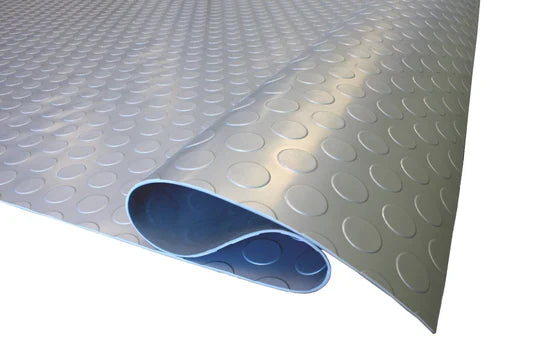
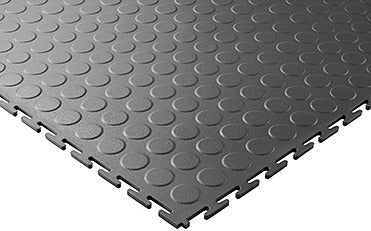
| Medium van (Ford Transit, Mercedes Sprinter L2) | ~1.4m | 6–10mm | SBR ribbed/studded | General trade use |
| Large van / hi-roof (Sprinter L3H3) | ~1.4m | 6–10mm | SBR or nitrile | Heavy trade goods, tools |
| Refrigerated van | Varies | 6–8mm | EPDM | Must withstand -20°C without brittleness |
| Campervan conversion | Varies | 4–6mm | EPDM or natural rubber | Lightweight, aesthetic finish important |
| Tipper / flatbed | Full platform | 10–17mm | Heavy SBR | Heavy aggregate, construction materials |
| Horsebox / livestock trailer | Varies | 17mm studded | SBR stable mat grade | Must withstand hoof impact and urine |
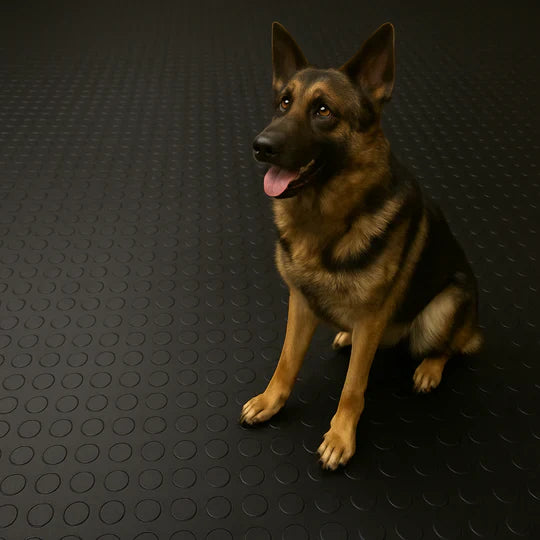
For dog transport vans, use 6–10mm SBR ribbed or studded rubber with a non-toxic, cleanable surface. The ribbed profile provides paw grip during vehicle movement. For caged dog transport, a smooth surface between cages makes cleaning easier while ribbed areas for access routes provide anti-slip. EPDM is preferable if the van is used in cold climates or stored outside overnight in winter.
Yes — 17mm stable mats are popular for horsebox lorry floors and heavy utility van beds. They are heavier than standard van liner rolls (adding ~10–12kg per m²) but offer superior durability for livestock transport, heavy tools, or repeated heavy loading. For standard trade vans, 6–10mm ribbed rubber is the better weight/durability balance.
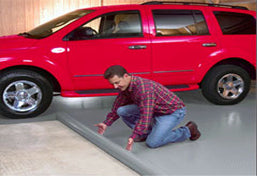
Remove any existing floor covering and measure the exposed floor in three sections: the main central floor area, the wheel arch areas (cut-outs required), and any step or bulkhead areas. Use cardboard templates for the wheel arch cut-outs — these vary significantly between models. Our rubber is supplied in 1.2m wide rolls that accommodate most van widths without a join. Contact us with your van model and we can advise on typical lengths required.
Standard SBR rubber has limited oil resistance — it will absorb petroleum products over time and eventually swell or deteriorate. For trade vans used by mechanics, plumbers with chemicals, or industrial plant operators, specify nitrile rubber van flooring, which offers excellent resistance to petroleum-based oils, hydraulic fluids, and fuel spills. See our rubber sheeting range for nitrile options.
Verified reviews from UK buyers
































Dispatch in 24 Hours
Satisfaction Guarantee
Secure Payments
sales@rubberco.co.uk


