



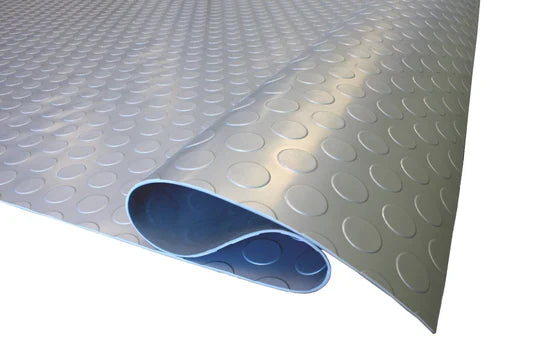












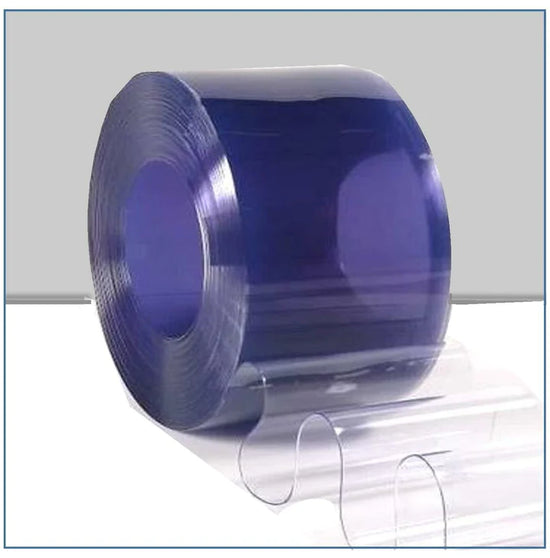
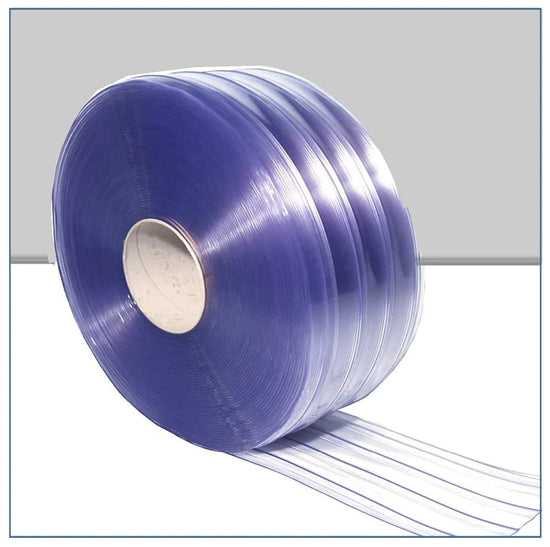
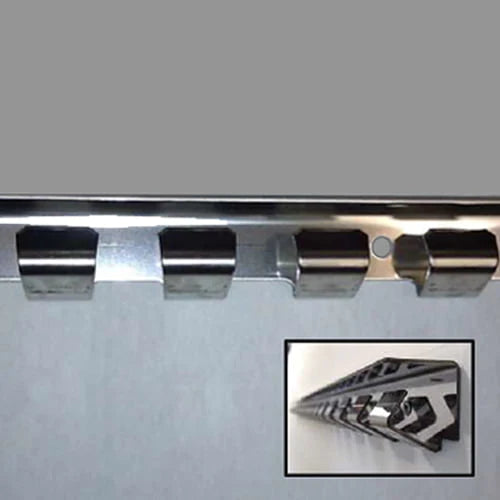
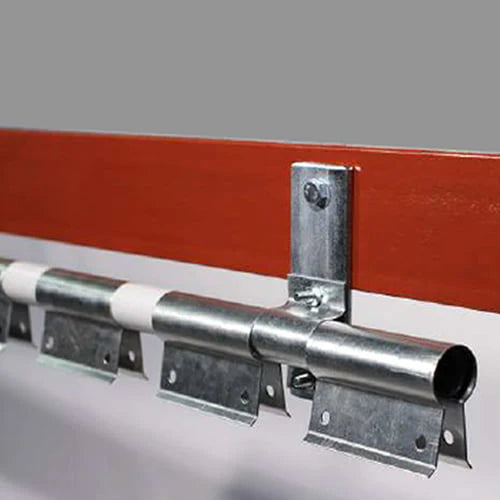

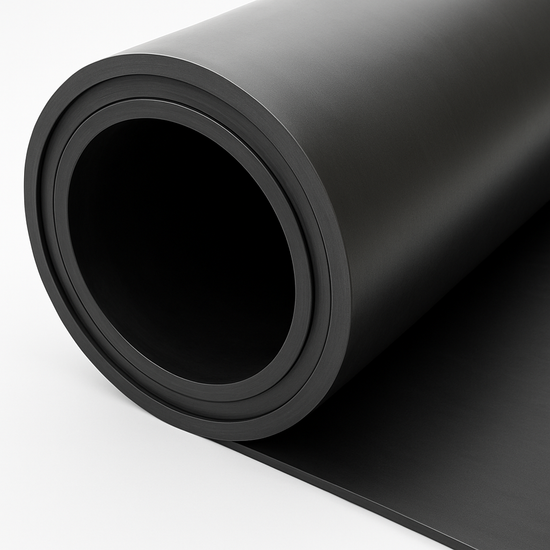
Solid Neoprene Rubber Strip
6 products
6 products
Updated May 2026
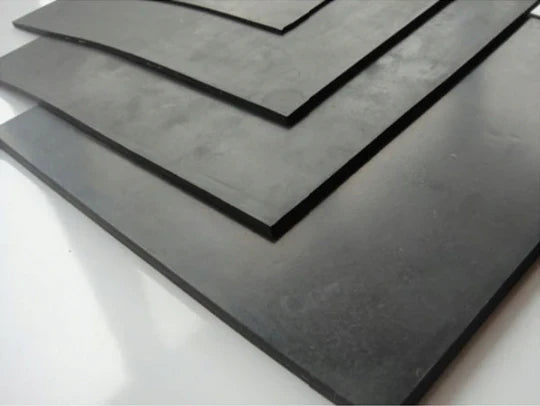
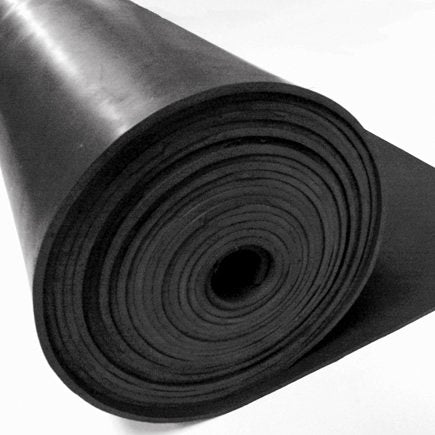
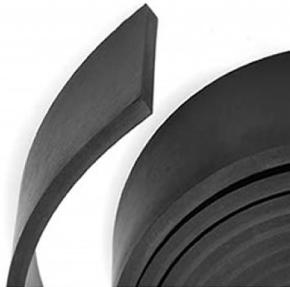
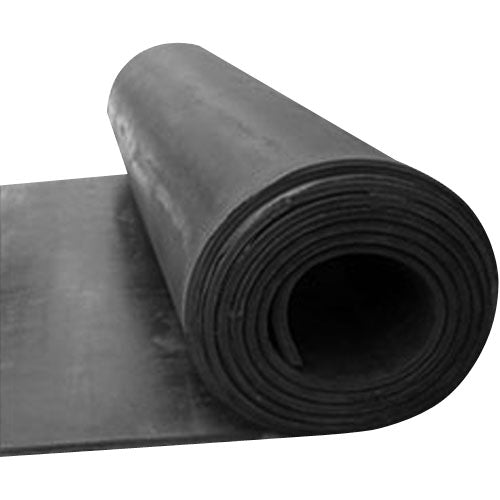
Solid neoprene rubber strip is one of the most versatile sealing and gasket materials available in the UK. Manufactured from polychloroprene (CR), neoprene strip provides excellent resistance to weather, ozone, oils, and moderate chemicals — outperforming standard SBR and EPDM rubber in applications exposed to both petroleum products and outdoor weathering simultaneously.
Neoprene (polychloroprene) occupies a unique position in the rubber compound spectrum — it combines oil resistance (which SBR lacks) with ozone and weather resistance (which nitrile lacks). This makes it the go-to material for applications that encounter both outdoor exposure and oils or fuels.
| Property | Neoprene (CR) | EPDM | Nitrile (NBR) | SBR |
|---|---|---|---|---|
| Oil/fuel resistance | Good | Poor | Excellent | Poor |
| UV/ozone resistance | Excellent | Excellent | Good | Poor |
| Temperature (high) | 120°C | 150°C | 120°C | 100°C |
| Temperature (low) | -40°C | -50°C | -30°C | -40°C |
| Flame retardancy | Inherent | Low | Low | Low |
| Cost | Medium-high | Medium | Medium-high | Low |
| Best for | Marine, outdoor sealing, mild oils | Outdoor, water sealing | Fuel, oil-heavy environments | Indoor gym, stable, industrial |
| Application | Recommended Thickness | Notes |
|---|---|---|
| Light door/window sealing | 3–6mm | Soft grade (40–50 Shore A) for good compression |
| Commercial door sealing | 6–10mm | Medium grade for frequent opening/closing cycles |
| Vibration isolation | 10–20mm | Thicker = more vibration absorption; match to load |
| Marine hatch sealing | 6–12mm | Waterproof grade; closed-cell if possible |
| Industrial wear strip | 10–25mm | Hard grade (65–80 Shore A) for abrasion resistance |
When ordering solid neoprene rubber strip for UK applications, verify these specifications:
Yes — we offer free UK delivery on all solid neoprene rubber strip orders. Most items dispatch within 24 hours from our UK warehouse.
For light door and window sealing, 3–6mm in a soft grade (40–50 Shore A) is usually sufficient. For heavy-duty industrial applications, vibration isolation, or wear strips, choose 10mm+ at 65–80 Shore A. If in doubt, contact our technical team with your application details.
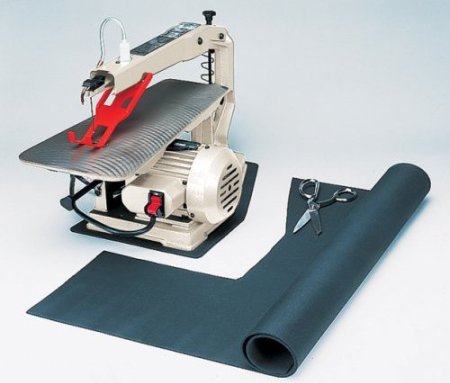
Yes — neoprene rubber strip can be cut with scissors or a sharp knife to any required length. Most of our strips are supplied in 5m or 10m rolls. For custom widths, contact us for bespoke cut-to-width options.
Quality solid neoprene rubber strip typically lasts 15–20 years in outdoor sealing applications and longer indoors. Neoprene's ozone and UV resistance prevents the surface cracking that shortens the life of SBR rubber outdoors. In high-compression door seals, replace when the strip no longer fully contacts both surfaces.
Standard neoprene is not certified food-safe. For food contact applications, specify food-grade EPDM or silicone rubber strip instead. Contact us if you need food-grade rubber strip options.
Yes — neoprene is well-suited to marine use. It resists saltwater, UV exposure, and mild petroleum products (fuels and oils found in bilge environments). It is widely used for hatch seals, porthole surrounds, and hull sealing in UK boatyards.
Solid neoprene is a dense, closed-structure compound — harder, more durable, better for wear and structural applications. Sponge (foam) neoprene has a cellular structure — softer, more compressible, better for sealing variable-width gaps. This collection contains solid neoprene strip; for sponge neoprene, contact us for availability.
Verified reviews from UK buyers
































Dispatch in 24 Hours
Satisfaction Guarantee
Secure Payments
sales@rubberco.co.uk


