









Rubber Mats UK | Non-Slip Floor Mats for Every Use | Free Delivery
8 products
8 products
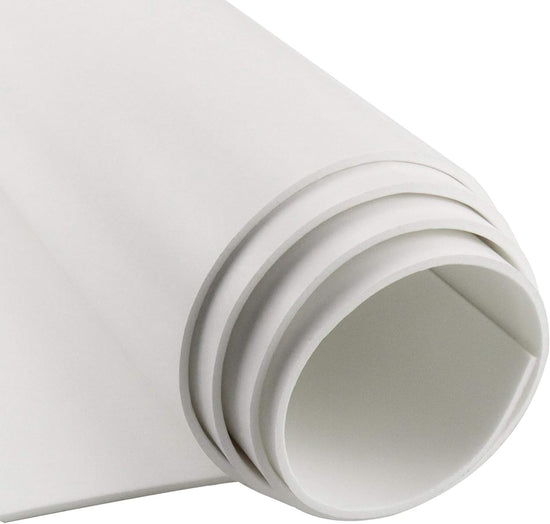
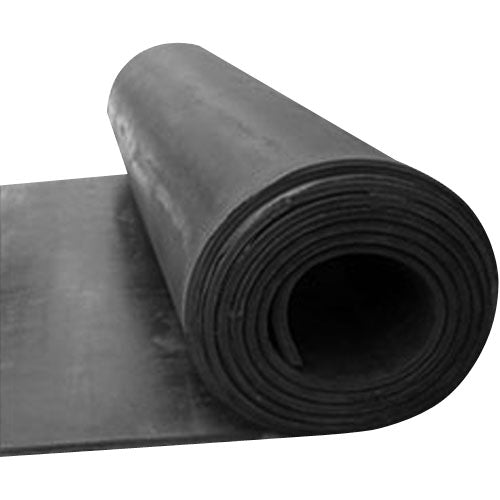
Rubberco supplies the UK's most comprehensive range of rubber mats — from lightweight entrance door mats to heavy-duty industrial floor mats, anti-fatigue workstation mats, and specialist stable mats. All rubber mats are available cut to size, in stock and dispatched from our UK warehouse with free delivery to mainland UK addresses. Whether you need a single door mat or 200 metres of industrial rubber matting, we have it ready to go.
Rubber mats are used in every sector of UK business and domestic life. They protect floors, reduce slips and falls, absorb impact, reduce worker fatigue, and create safer, cleaner environments. Choosing the right rubber mat for your application requires understanding the environment, the required properties, and the correct rubber compound — this guide covers everything you need to know.
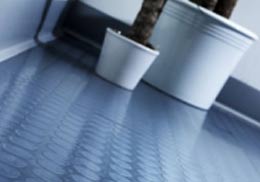
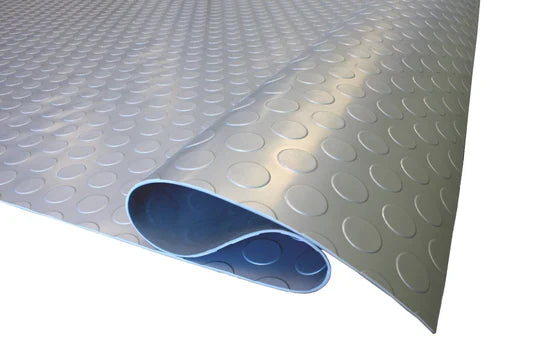
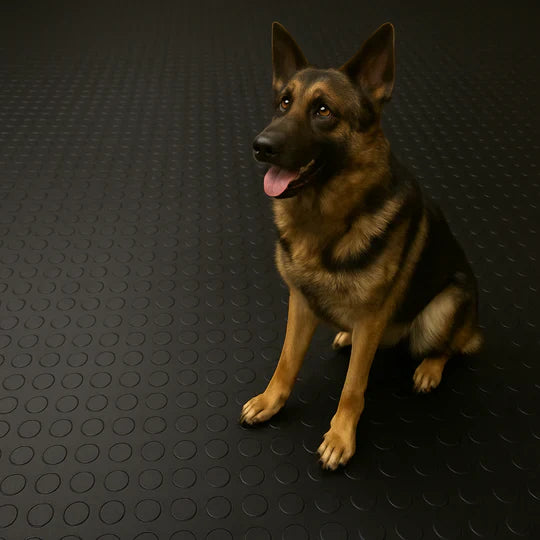
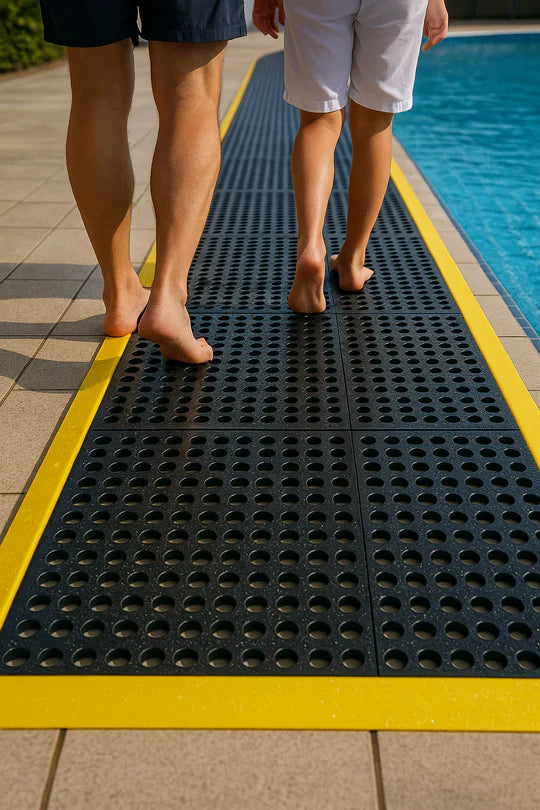
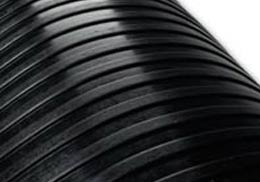
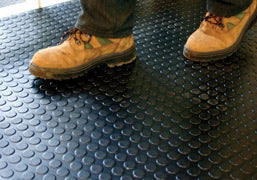
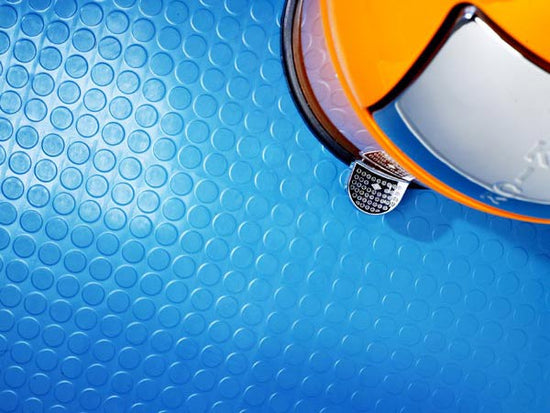
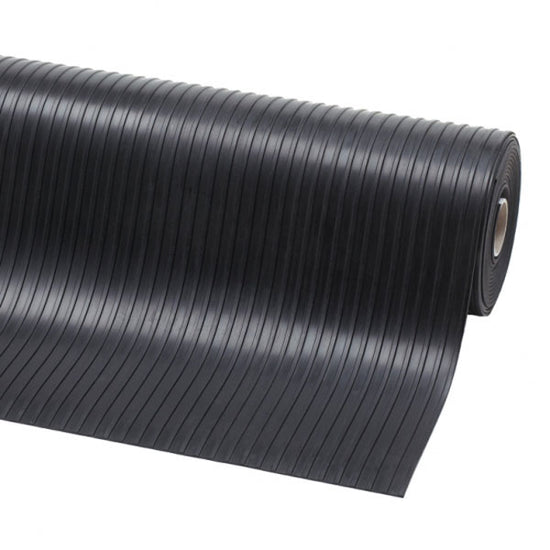
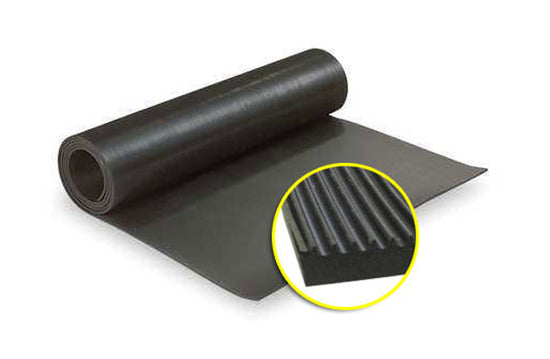
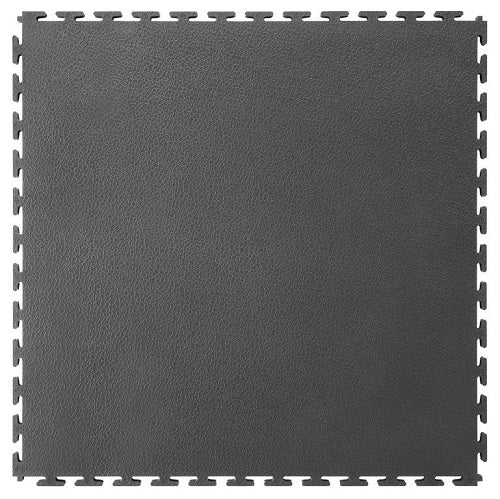
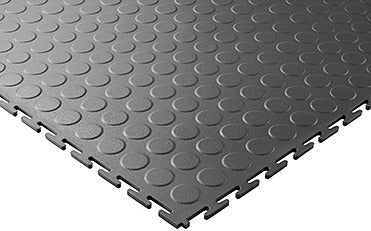
Anti-slip rubber mats are designed with textured surface profiles — ribbed, studded, diamond plate, or coin pattern — that provide maximum grip underfoot even in wet or oily conditions. These are essential wherever slip hazards exist: commercial entrances, industrial walkways, vehicle ramps, changing rooms, swimming pool surrounds, commercial kitchens, and any area subject to wet foot traffic. The UK Health and Safety Executive (HSE) identifies slips and trips as the number one cause of workplace injuries in the UK — anti-slip rubber mats are the single most cost-effective preventive measure.
Key surface profiles and their applications:
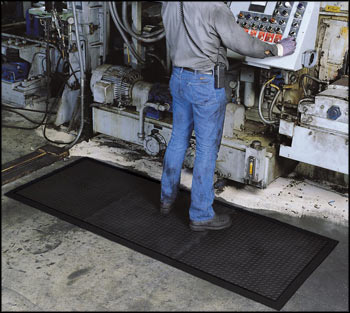
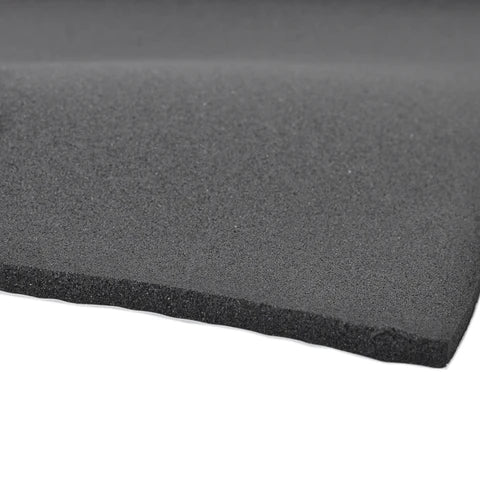
Anti-fatigue rubber mats are engineered to reduce physical strain on workers who stand for extended periods on hard floors. The compressible foam or rubber core introduces slight give underfoot — causing the muscles in the feet, calves, and lower legs to make constant micro-adjustments. This micro-movement keeps blood circulating, reduces static muscle load, and reduces fatigue-related discomfort by 30-50% compared to standing on concrete or hard tile. The HSE specifically recommends anti-fatigue matting as a control measure in workplace risk assessments for jobs requiring prolonged standing. Applications include commercial kitchens, factory assembly lines, retail counters, and office standing desks.
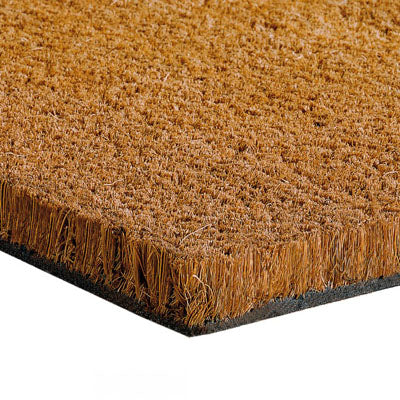
Entrance mats are a building's first line of defence against dirt, moisture, and debris. A well-specified entrance matting system captures up to 80% of the soil and moisture that would otherwise be tracked into a building — dramatically reducing interior cleaning costs and protecting expensive internal flooring. Commercial entrance mats are available in rubber (ribbed, studded), coir (natural fibre for scraping heavy mud), barrier/textile-over-rubber backing (fine dust and moisture absorption), and PVC link designs. Custom cut to fit any mat well dimension.
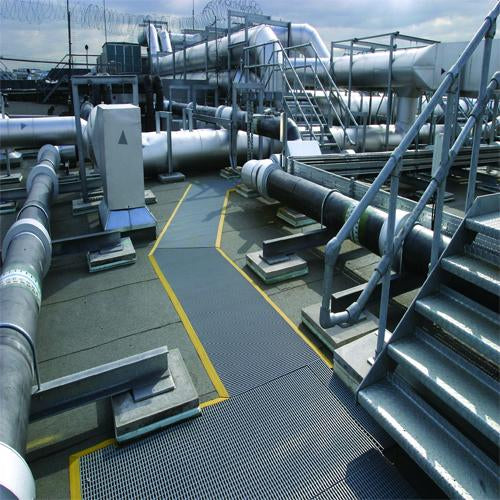
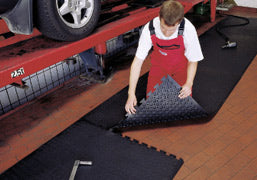
Industrial floor mats are engineered for factory, warehouse, and workshop environments where standard flooring cannot withstand the demands of heavy foot traffic, forklift operations, chemical exposure, and continuous-shift operations. Heavy industrial rubber mats (12-25mm) absorb machine vibration, reduce noise transmission, protect concrete subfloors from damage, and create safer, more ergonomic working environments. Available in oil-resistant nitrile rubber for automotive and engineering applications, and chemical-resistant EPDM for outdoor and washdown areas.
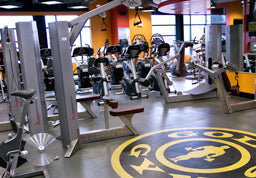
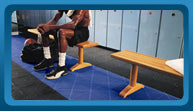
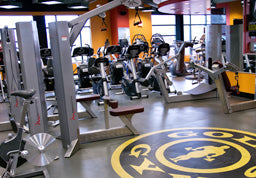
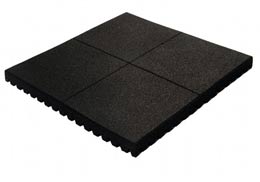
Rubber gym mats protect both the subfloor and training equipment from the repeated impact of heavy use. SBR rubber in 6-10mm thickness is standard for cardio and general training areas. Free weight and barbell zones require 15-20mm for adequate floor protection. Olympic lifting platforms should use 20-40mm minimum at the landing zone. Available as tiles (modular, easy to replace) or rolls (continuous coverage for large areas). Rubberco gym mats are supplied to commercial gyms, CrossFit boxes, school sports facilities, and home gym installations across the UK.
Heavy-duty rubber mats for stables, kennels, livestock housing, and agricultural environments provide thermal insulation from cold concrete, cushioning for animal joints, improved drainage, and dramatically reduced bedding requirements (30-50% savings). Horse stable mats in 17mm and 22mm solid rubber are the UK standard, sized to fit standard stall dimensions. Anti-slip surface prevents animals from slipping. Designed to resist urine, cleaning chemicals, and constant hoof impact for 15+ years.
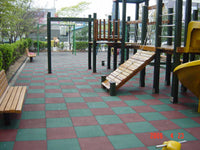
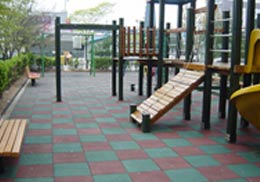
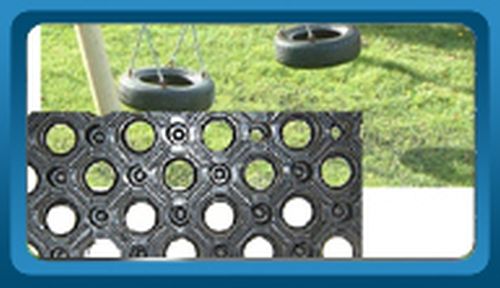
Playground safety mats must comply with BS EN 1177:2018, the UK standard for impact-attenuating surfacing. Rubberco playground mats provide critical fall height protection from 1.0m to 3.0m+ depending on thickness. Suitable for schools, nurseries, public parks, and domestic gardens. UV-stabilised EPDM rubber with 10+ year colour retention in UK outdoor conditions. All playground mats are tested and certified to BS EN 1177.
Specialist electrical insulating rubber mats certified to BS EN 61111 for use in electrical switchrooms, substation environments, and around high-voltage equipment. Provides insulation to Class 0 (1,000V), Class 1 (7,500V), Class 2 (17,000V), Class 3 (26,500V), and Class 4 (36,000V) depending on specification. Mandatory for any work near live electrical equipment. Must be a certified product — never substitute uncertified general-purpose rubber matting in an electrical safety application.
| Material | Best For | Oil Resistant | UV Resistant | Temperature Range |
|---|---|---|---|---|
| SBR (Recycled Rubber) | Gym, entrance, general purpose | Limited | Moderate | -30°C to +70°C |
| EPDM | Outdoor, playground, UV-exposed | No | Excellent | -40°C to +130°C |
| Nitrile (NBR) | Workshop, kitchen, oil environments | Excellent | Moderate | -20°C to +100°C |
| Neoprene (CR) | Marine, outdoor electrical, chemical | Good | Good | -40°C to +120°C |
| Natural Rubber (NR) | High-impact, gymnastics, vibration | No | Poor | -50°C to +70°C |
| Silicone | Food contact, extreme temperatures | Moderate | Excellent | -60°C to +230°C |
| Thickness | Application | Traffic Type |
|---|---|---|
| 2-4mm | Entrance mats, light-duty slip protection, drawer liners | Light pedestrian |
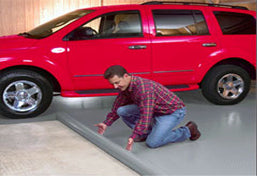
| 6mm | Garage floors, corridors, general commercial | Moderate pedestrian |
| 8-10mm | Gym cardio areas, workshops, anti-fatigue stations | Heavy pedestrian, light wheeled |
| 12-15mm | Stables, heavy anti-fatigue, light industrial | Pallet trucks, sack barrows |
| 17-22mm | Heavy stables, commercial gym free weights, loading bays | Forklift compatible |
| 25-40mm | Olympic lifting platforms, playground safety (2.5m+ CFH) | Maximum impact |
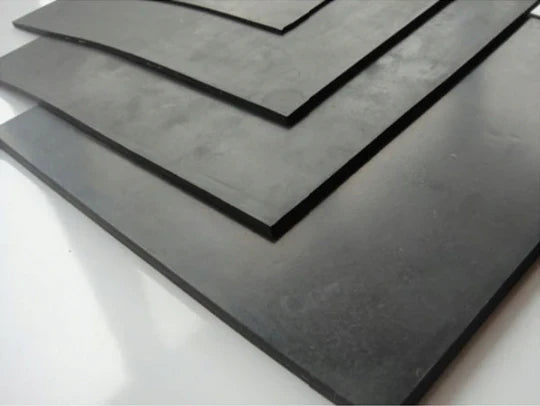
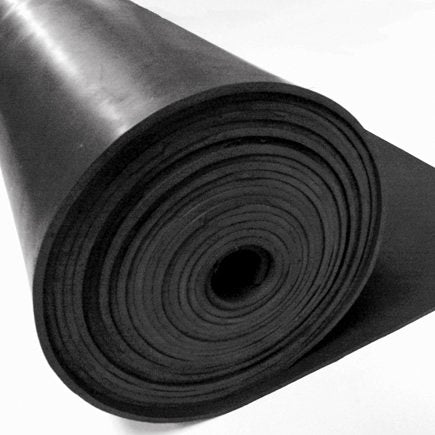
The terms are largely interchangeable in the UK market. "Rubber mats" typically refers to pre-cut individual units — a door mat, a workstation mat, a stable mat. "Rubber matting" typically refers to continuous roll material cut to size. Both serve identical purposes and use the same compounds. The practical distinction is format: mats are ready to use, matting is cut to your specification. At Rubberco, we supply both formats across the full range of applications.
Indoor or outdoor? Wet or dry? Oil or chemical exposure? Heavy-traffic industrial or light domestic? The environment determines the rubber compound required. EPDM for outdoor. Nitrile for oil environments. SBR for most general indoor applications.
Anti-slip? Anti-fatigue? Impact absorption? Thermal insulation? Electrical insulation? Each function has a specific mat design. A commercial kitchen mat needs anti-fatigue, anti-slip, oil resistance, and easy cleaning simultaneously. A playground mat needs impact attenuation to a certified fall height. Be clear on requirements before selecting.
Refer to the thickness guide above. Select the minimum thickness required for your traffic type, then add the surface profile that matches your primary function (anti-slip profile for wet areas, smooth or textured for fatigue reduction, coin/studded for aesthetics combined with grip).
Standard pre-cut sizes: 600x900mm, 900x1500mm, 1200x1800mm, 1500x2400mm. Roll widths: 1.0m, 1.2m, 1.25m, 1.5m, 2.0m. Roll lengths: 5m, 10m, 20m, or cut to your exact specification. Need a non-standard size? Rubberco offers bespoke cutting with no minimum order — just specify your dimensions.
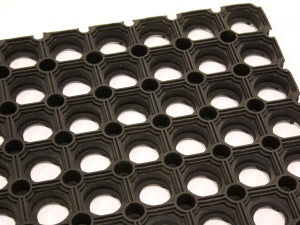
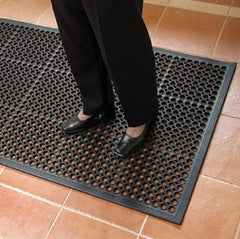
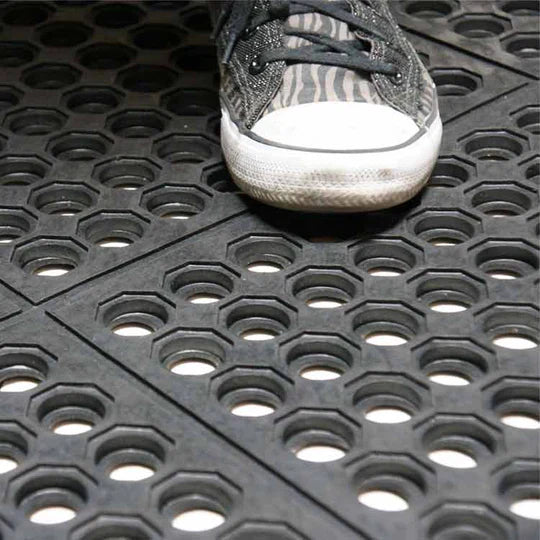
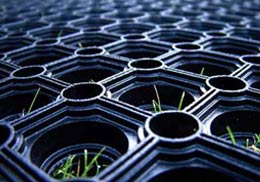
Commercial kitchens require an anti-fatigue mat that is simultaneously anti-slip, oil-resistant, and easy to sanitise. Specify nitrile rubber (NBR) compound for oil resistance — standard SBR rubber degrades in cooking oil and grease environments. Choose an open-grid drainage design to keep the standing surface dry. Minimum 12mm thickness for effective fatigue reduction on a hard kitchen floor. Look for FDA or EU food contact certification if the mat could directly contact food.
Rubber mats prevent slipping through two mechanisms: the textured surface profile (ribs, studs, or diamond plate) creates mechanical resistance to footwear slipping, and the natural high friction coefficient of rubber provides inherent grip even on smooth substrates. Anti-slip ratings are measured as a coefficient of friction (CoF) — a value above 0.5 is considered safe for most commercial applications. Rubber matting typically achieves CoF values of 0.7-0.9, well above the safety threshold.
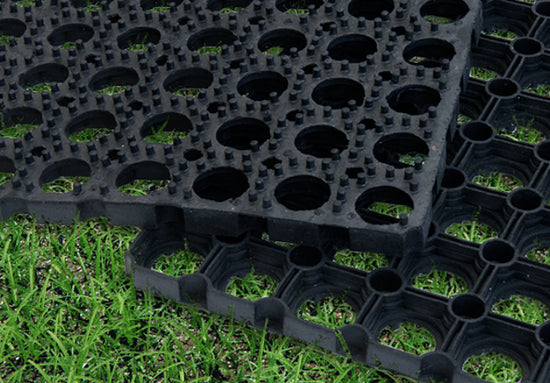
Yes — with the correct material specification. EPDM rubber is UV-stabilised and maintains its properties through years of outdoor exposure in UK climate conditions. SBR rubber has moderate UV resistance and is suitable for covered outdoor areas. Avoid natural rubber outdoors as it will degrade with UV exposure. For playground applications, UV-stable EPDM tiles are the UK standard and maintain BS EN 1177 compliance for 10+ years outdoors.
Commercial-grade rubber mats in typical use last 5-15 years. Playground safety tiles and stable mats last 15-25 years under normal conditions. SBR recycled rubber matting is extremely resistant to abrasion and mechanical wear. Regular cleaning with mild detergent significantly extends longevity. Avoid strong solvents — acetone, petrol, toluene — which degrade rubber compounds.
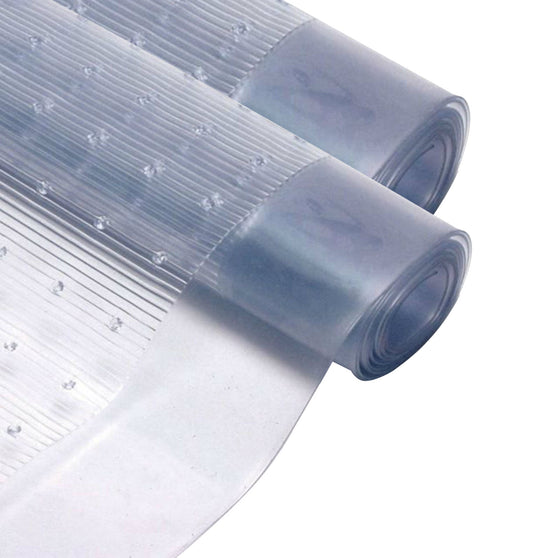
Yes, with appropriate precautions. Rubber-backed mats on carpet need a grip liner or anti-slip underlay designed for carpet use. Use a mat with a spiked or ribbed underside specifically designed to grip carpet fibres. Avoid dense-rubber heavy mats on delicate carpet finishes as the weight can cause permanent compression marks.
Most rubber mats can be swept, mopped with warm water and mild detergent, or hosed down. Heavily textured profiles (studded, diamond plate) benefit from periodic scrubbing with a stiff brush to clear trapped debris. Pressure washing is effective and safe for most rubber grades. Avoid bleach (fades colours and degrades some compounds), petrol-based cleaners (dissolve rubber), and acetone.
For a standard UK residential front door, a 600x900mm mat fits most doorways. Commercial entrance doors typically require 900x1500mm or wider. For high-footfall commercial entrances, specify a mat that covers the full door width plus 150-200mm on each side. For mat wells (recessed entrance systems), measure the well precisely and order a cut-to-size mat for a flush, professional finish.
SBR recycled rubber is the most cost-effective rubber compound — made primarily from recycled tyres, it offers excellent abrasion resistance and durability at a lower price point than virgin rubber compounds. Thin (3-4mm) SBR ribbed matting starts from around £8-10 per linear metre. For entrance matting, coir matting is often the lowest-cost effective option for light use. For any application, buying in roll lengths rather than pre-cut mats gives better value per square metre.
































Dispatch in 24 Hours
Satisfaction Guarantee
Secure Payments
sales@rubberco.co.uk


