













Rubber Ice Rink Matting
1 product
1 product
Updated May 2026 — Specifications and sizing options verified against current UK stock.
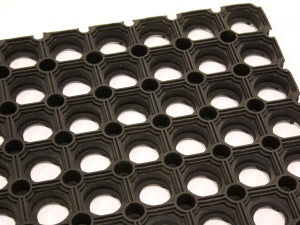
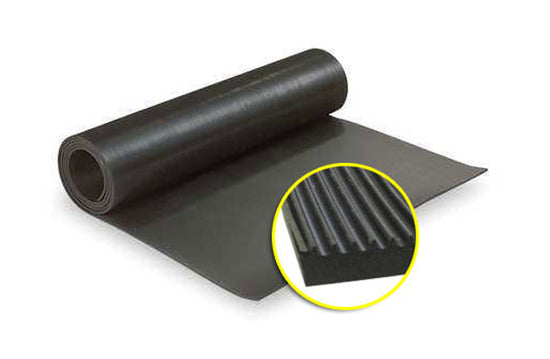
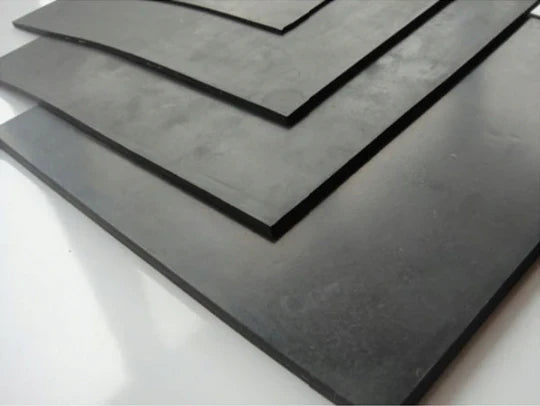
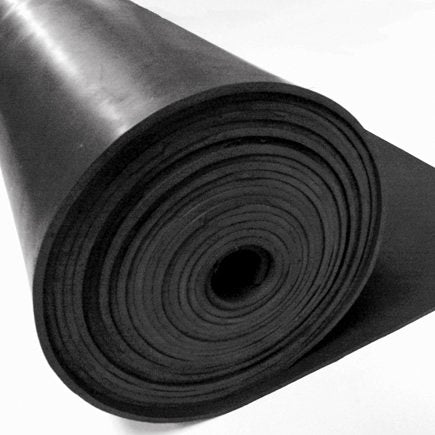
Our rubber ice rink matting is specifically designed to create safe, professional skating surfaces for both temporary and permanent ice rinks across the UK. Engineered to withstand sub-zero temperatures, repeated freezing and thawing, and the unique demands of ice rink environments, this specialist rubber matting is trusted by event organisers, leisure centres, hotels, and shopping centres for seasonal and year-round skating attractions.
Ice rinks present unique challenges that standard rubber matting cannot address. Our ice rink rubber is formulated and tested specifically for these requirements:
| Specification | Detail |
|---|---|
| Material | EPDM rubber (cold-stable formulation) |
| Temperature range | -40°C to +60°C |
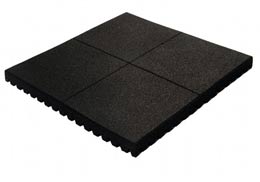
| Standard tile size | 500mm x 500mm, 1000mm x 1000mm |
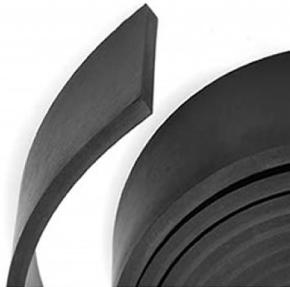
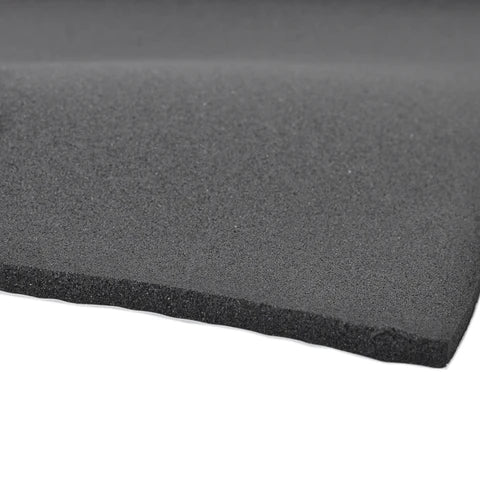
| Thickness | 6mm, 10mm, 15mm |
| Water resistance | Fully waterproof — will not absorb water or ice-melt |
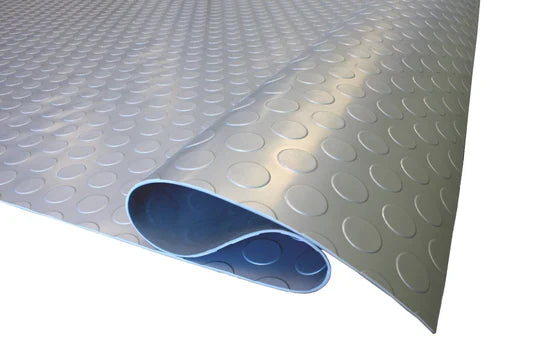
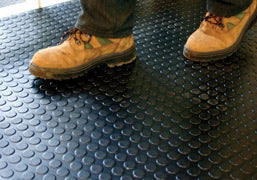
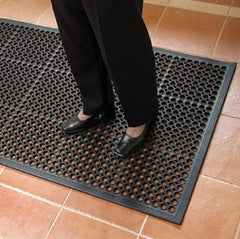
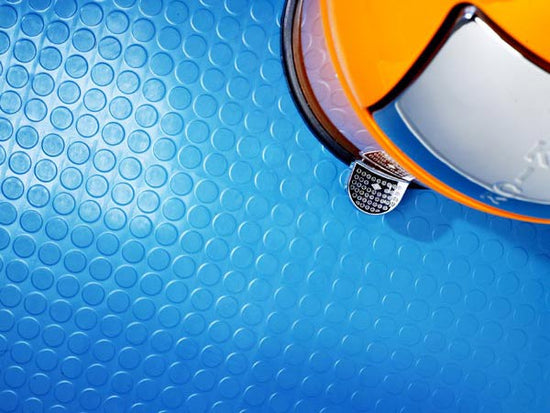
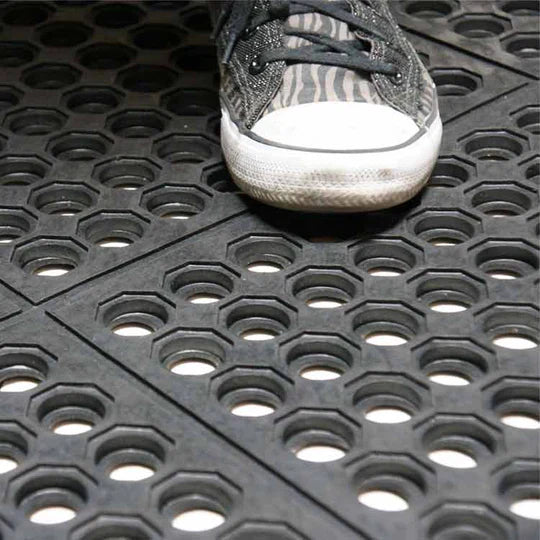
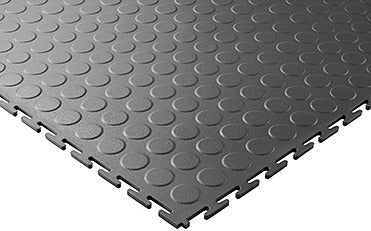
| Surface finish | Textured (anti-slip for transition zones) |
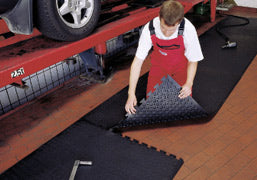
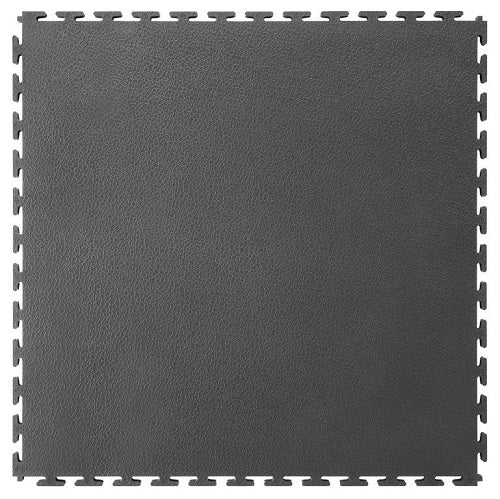
| Installation | Interlocking tiles — no adhesive or fixings required |
| Colour | Black standard; contact us for other colour options |
Shopping centres, hotel courtyards, and outdoor event venues frequently install temporary seasonal ice rinks for Christmas and winter events. Rubber perimeter matting creates safe transition zones where skaters move from ice to solid ground, and surrounds the rink perimeter to protect staff, spectators, and hire skate storage areas from water and ice damage. The interlocking format allows rapid installation and complete removal and storage at season end.
Leisure centres and dedicated ice rink facilities require permanent rubber matting in changing areas, skate hire zones, referee walkways, and off-ice training areas. The cold-stable EPDM formulation handles the year-round low-temperature environment without becoming brittle or losing its ergonomic properties.
Synthetic (plastic panel) ice rinks used for year-round training require rubber border matting around the perimeter. Our ice rink rubber matting pairs seamlessly with synthetic ice panel systems, providing a safe, slip-resistant transition zone between the synthetic ice surface and surrounding flooring.
The quantity required depends on the rink perimeter length and the desired border width:
Use our flooring calculator for a precise quantity estimate, or contact us with your rink dimensions for a tailored quote.
Cold-stable EPDM rubber is the industry standard for ice rink applications. EPDM maintains flexibility and structural integrity at temperatures as low as -40°C, making it the only suitable rubber compound for environments where standard rubber would become brittle and crack in the freeze-thaw conditions of an ice rink facility.
10mm EPDM rubber is the standard recommendation for ice rink perimeter matting. This provides adequate cushioning for falls at the rink edge, sufficient durability for heavy boot traffic, and remains manageable for installation and storage. Thicker 15mm matting is available for higher-impact zones such as skate boot hire areas and changing rooms adjacent to rink surfaces.
Yes — our ice rink rubber matting is specifically designed for outdoor use in winter UK temperatures. The cold-stable EPDM formulation handles freeze-thaw cycles, rain, ice, and snow without degrading, cracking, or losing its non-slip surface properties. It is fully suitable for outdoor seasonal rinks exposed to the elements.
Ice rink rubber matting can be pressure washed (outdoors) or mopped with warm water and a pH-neutral cleaner. The tiles are fully waterproof and do not absorb cleaning solutions. At the end of each season, lift the interlocking tiles, pressure wash front and back, allow to dry completely, and store flat or rolled for the next season. Avoid bleach-based cleaners, which degrade EPDM rubber over time.
For volume orders or specific project specifications, contact Rubberco directly with your rink dimensions and border width. We provide tailored quotations for commercial and event ice rink projects, including free mainland UK delivery on qualifying orders.
Need Rubber Matting for a Wider Application?
Browse our full rubber flooring ranges — gym, outdoor, industrial, and specialist applications. Free UK delivery on qualifying orders.
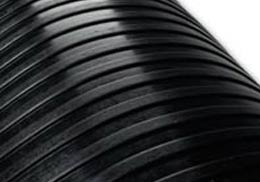
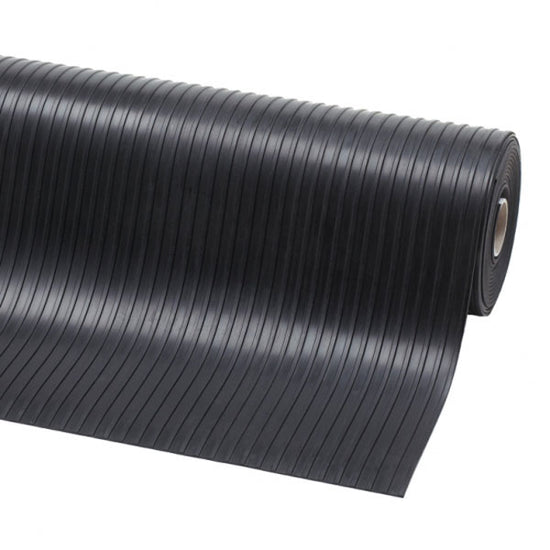
View All Rubber Flooring →Ice rink applications require rubber matting that performs in sub-zero temperatures without becoming brittle or losing flexibility. EPDM rubber maintains performance to -40°C and is the correct specification for ice rink edges, Zamboni roads, and cold storage walkways. SBR rubber performs adequately to -20°C for most UK ice rink environments but may harden in extreme cold storage applications. Anti-slip ribbed EPDM rubber in 8mm-12mm thickness is the standard specification for ice rink perimeter and public walkway areas.
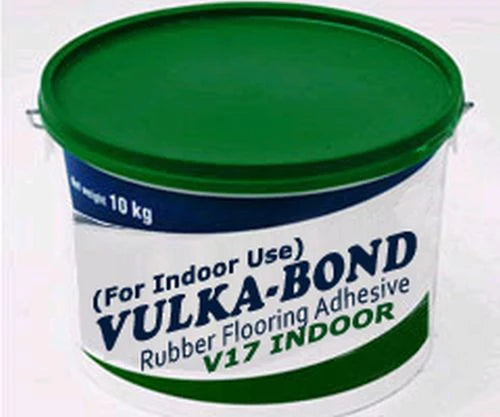
In cold environments, rubber contracts slightly, which can cause bonded mat edges to lift if the adhesive is not rated for the temperature range. Use a flexible contact adhesive rated for -20°C+ for permanent installations. For rink edge matting, mechanical fixing with stainless steel screws or anchor bolts provides more reliable long-term stability than adhesive in freeze-thaw cycling environments. Ensure the subfloor is completely dry before installation — moisture trapped under the mat freezes and breaks the adhesive bond.
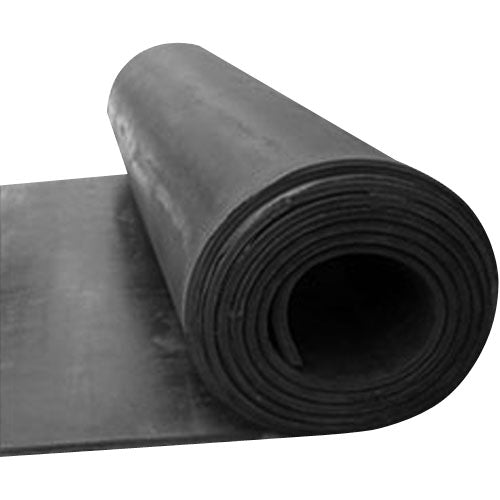
Rubber matting can be laid directly on ice as a temporary walkway surface for maintenance access, events, or public protection. Rubber does not bond to ice and can be rolled or lifted easily. The natural friction of rubber on ice provides reasonable slip resistance for walking traffic. For protection of ice surfaces during events (concerts, shows), thick rubber runner rolls in 8mm-12mm prevent ice damage from pedestrian traffic and equipment loads. Clean dry rubber on clean ice typically achieves PTV 30-40 — adequate for slow walking traffic.
Zamboni ice resurfacing machines weigh 3,000-5,000kg depending on model. Rubber matting on the Zamboni road (the route from the machine bay to the ice surface) must be rated for this vehicle load. Standard rubber flooring is inadequate — specify heavy-duty rubber flooring of 15mm+ with a load rating confirmed for the specific machine weight. Alternatively, rubber-topped steel plates provide the most durable solution for machine bay access routes that receive repeated Zamboni traffic.
Verified reviews from UK buyers
































Dispatch in 24 Hours
Satisfaction Guarantee
Secure Payments
sales@rubberco.co.uk


