
















Garage Flooring UK | Heavy Duty Rubber Tiles, Rolls & Mats | Free Delivery
4 products
4 products
Updated May 2026 | Free UK Delivery | Same-Day Dispatch | Vehicle-Rated Options Available
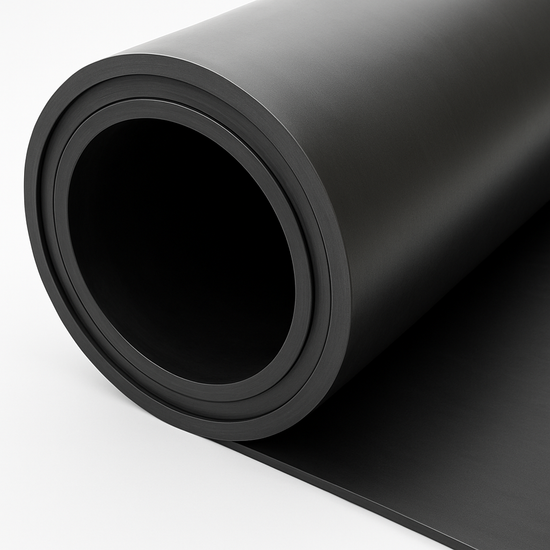
Transform your concrete garage floor with professional-grade rubber flooring from Rubberco. Whether you're fitting out a home garage, a vehicle workshop, a commercial MOT bay, or a car showroom, our garage flooring range delivers the durability, oil resistance, and professional finish you need — with free UK delivery and same-day dispatch.
| Product Type | Best For | Thickness | Installation | Oil Resistance |
|---|---|---|---|---|
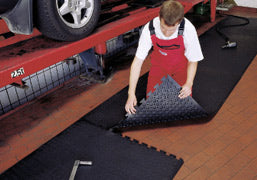
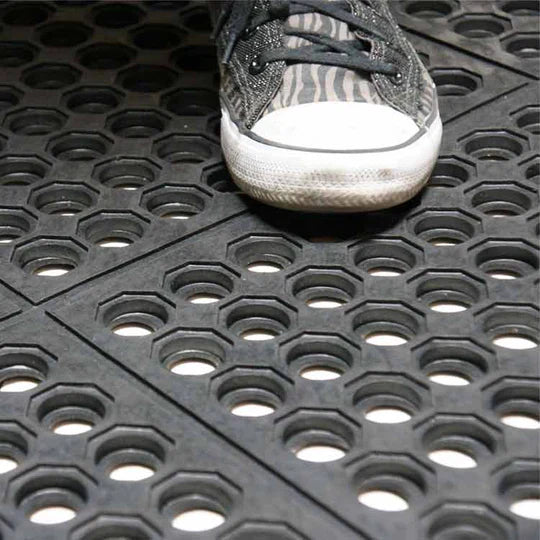
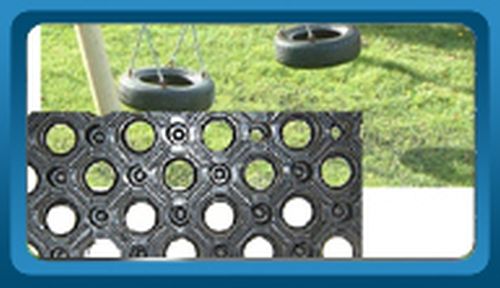
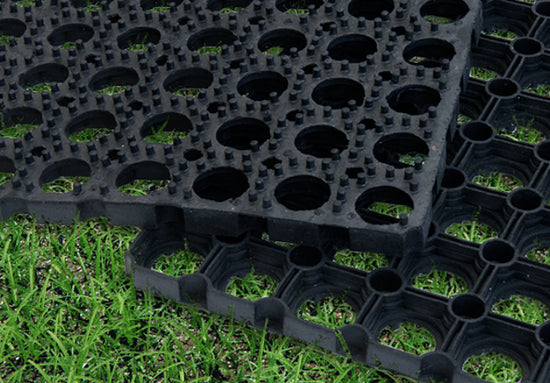
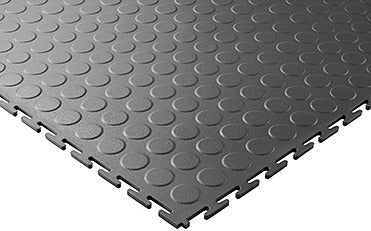
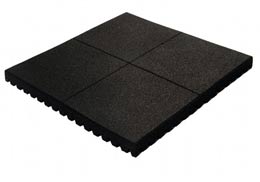
| Interlocking Rubber Tiles | Home garages, modular installation, DIY fitting | 10–20mm | No adhesive, DIY-friendly | Good (SBR) / Excellent (Nitrile) |
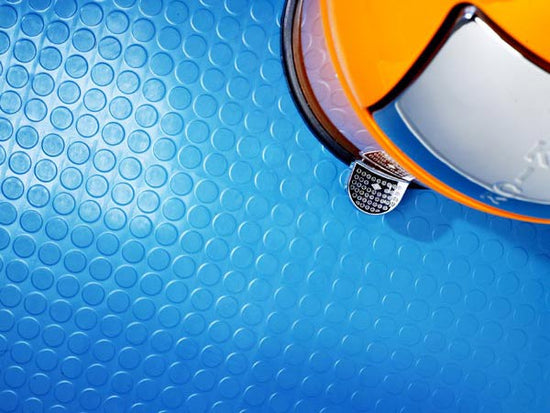
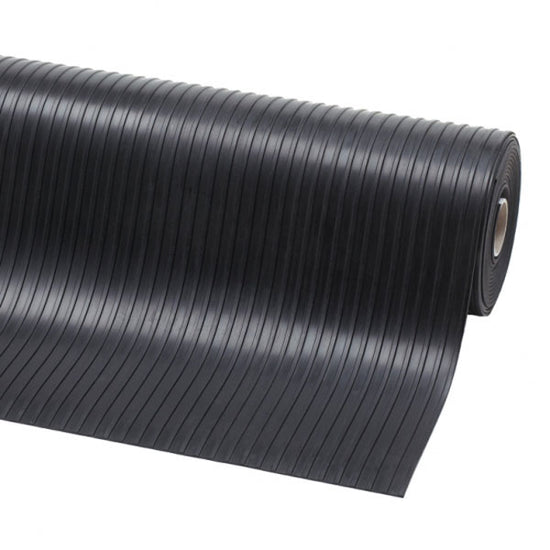
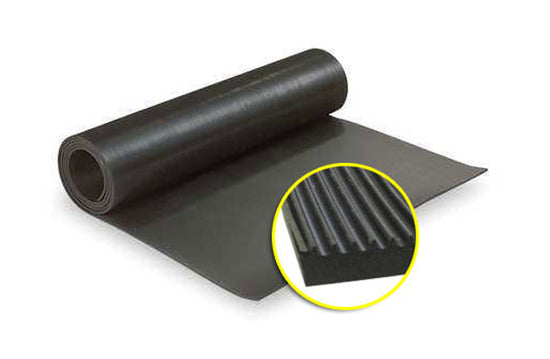
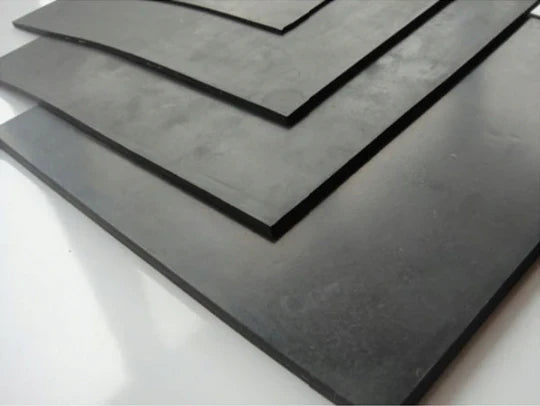
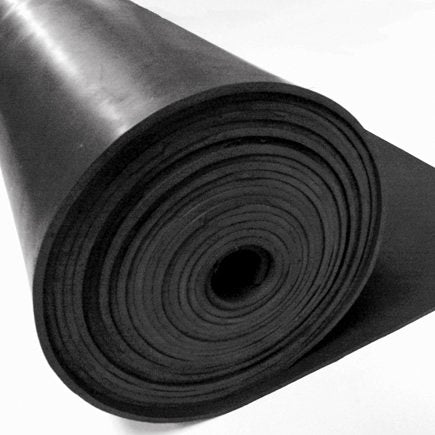
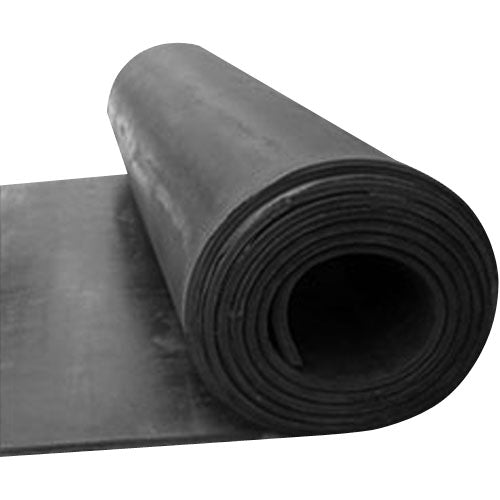
| Rubber Flooring Rolls | Large commercial garages, seamless finish | 6–15mm | Loose lay or adhesive | Good (SBR) / Excellent (Nitrile) |
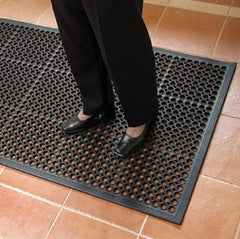
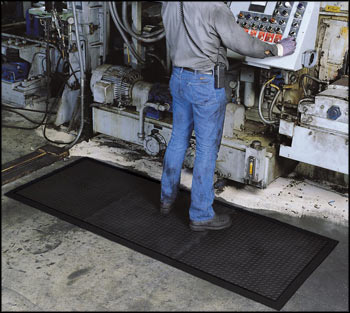
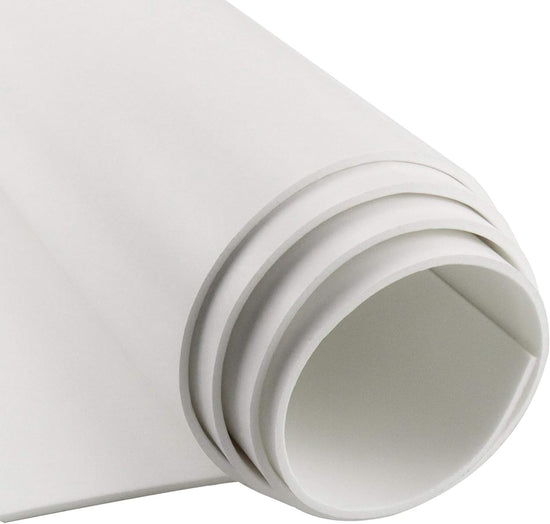
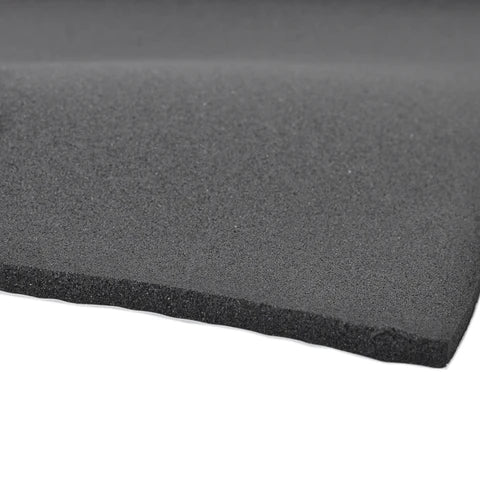
| Heavy-Duty Rubber Mats | Under specific equipment, workbench areas, drip zones | 10–25mm | Loose lay, moveable | Excellent (Nitrile) |
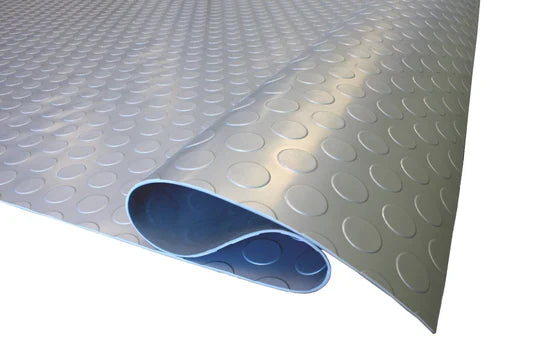
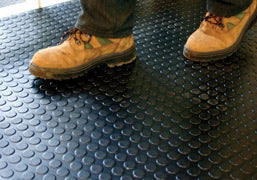
| Diamond Plate / Checker Plate | Workshop floors, commercial bays, professional finish | 8–12mm | Adhesive bonded | Good to Excellent |
| Thickness | Application | Vehicle Suitability |
|---|---|---|
| 6–8mm | Light-duty garage mats, workbench areas, pedestrian zones only | Not recommended for vehicle parking — insufficient load distribution |
| 10mm | Home garage car parking — standard family cars and hatchbacks | Cars up to 2,000kg (most family vehicles) |
| 12mm | Home and light commercial — cars, vans, SUVs | Cars, SUVs, and light vans up to 3,500kg |
| 15mm | Commercial garages, bodyshop floors, light workshop use | Commercial vans, 4x4s, light commercial vehicles |
| 20mm | Commercial workshops, MOT bays, vehicle lifts | HGVs, plant, and commercial vehicle workshops |
SBR rubber garage flooring is the right choice for domestic garages used primarily for car storage, DIY projects, or hobby use where oil spills are occasional rather than routine. It offers excellent abrasion resistance, good grip, and long service life at a competitive price point. Note: SBR is not designed for continuous oil immersion — if your garage floor regularly has significant oil puddles, specify nitrile.
Nitrile rubber is the mandatory specification for professional automotive workshops, MOT bays, engine repair workshops, and any environment where petroleum-based oils, hydraulic fluids, or fuels are regularly present on the floor. Nitrile's molecular structure specifically resists petroleum products that cause SBR to swell, soften, and fail within months. If oil resistance is a critical requirement, never compromise — always specify nitrile.
A standard UK single garage car parking space is typically covered with 50 × 500mm interlocking tiles at 10–12mm thickness. No adhesive is needed — tiles lock together and are held in place by the walls and the weight of the vehicle. Budget approximately £150–£250 for a single-car home garage using standard SBR interlocking tiles.
Double garages are popular home gym or workshop conversions as well as dual car storage. For dual-purpose use (cars + workshop/gym), specify 15mm tiles to handle both vehicle weight and free-weight drops. Consider using different coloured tiles to visually zone the gym area from the car parking area.
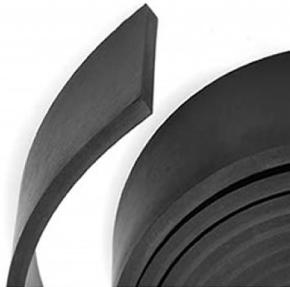
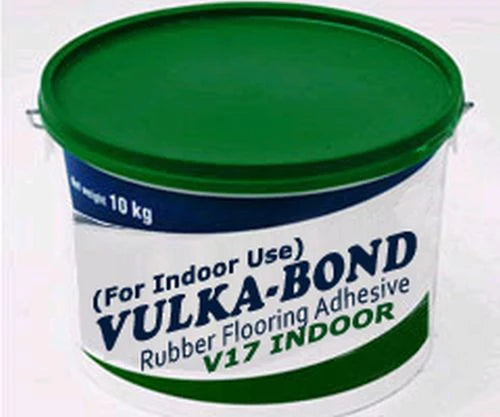
Commercial automotive workshops require nitrile rubber tiles at 15–20mm minimum thickness, with the tiles bonded to the substrate using rubber flooring adhesive to prevent movement under vehicle hydraulic lifts and rolling jacks. Around inspection pits, use rubber edging trim to create a safe, visible edge.
Interlocking rubber tiles are the most popular garage flooring UK choice. They require no adhesive, support vehicle weight, and resist oil and automotive fluids. 10–12mm for cars, 15–22mm for commercial workshops. For a seamless finish, rubber flooring rolls cut to length are the premium option.
Yes. Heavy-duty rubber floor tiles and rolls rated for vehicle use can support cars, SUVs, and vans. Look for tiles with a minimum 10mm thickness and confirmed vehicle load ratings. For commercial workshops with HGV access, specify 15–20mm minimum thickness.
SBR rubber offers moderate oil resistance for light garage use. For automotive workshops with regular oil drips and hydraulic fluid exposure, specify nitrile (NBR) rubber — specifically formulated to resist petroleum-based fluids without swelling or degrading. SBR exposed to continuous oil will fail prematurely.
New rubber tiles made from recycled SBR compound have a characteristic rubber smell when first installed. This is normal and dissipates within 1–4 weeks with good ventilation. Keeping the garage door open for the first few days significantly accelerates this process.
Yes — interlocking rubber tiles are specifically designed for DIY installation. No adhesive, no specialist tools, and no preparation beyond cleaning the subfloor. A standard single-car garage (3m × 6m) can typically be tiled in 2–3 hours.
For permanent hydraulic vehicle lifts, we recommend a 20mm+ nitrile tile bonded to the substrate with rubber flooring adhesive. The adhesive bond prevents tiles from shifting when the lift arm contacts the tiles. Always consult the lift manufacturer's flooring specification before installation.
































Dispatch in 24 Hours
Satisfaction Guarantee
Secure Payments
sales@rubberco.co.uk


