



















Stair Nosings UK | Anti-Slip Stair Edging | Safety Compliance | Free Delivery
1 product
1 product
UK stair safety standards have remained consistent under BS 8300:2018 (access for disabled people) and Building Regulations Approved Document K (protection from falling). However, 2026 brings two relevant updates that affect stair nosing specification:
| Type | Material | Typical Use | Compliant with Doc K? | Approx. Price (per metre) |
|---|---|---|---|---|
| Rubber Insert Nosing | Aluminium + rubber insert | Commercial, schools, offices | Yes (with contrast insert) | £8–£18/m |
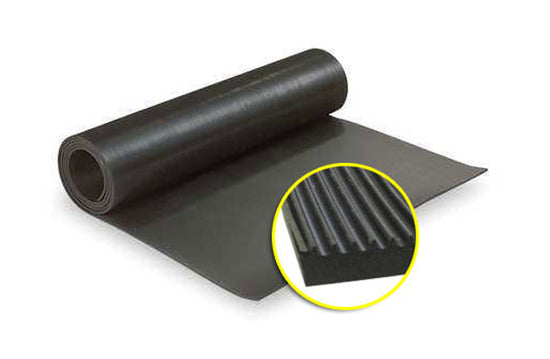
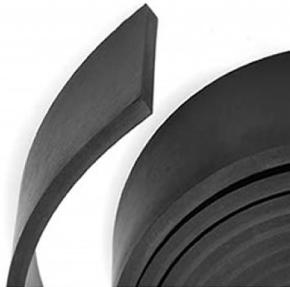
| Solid Rubber Nosing Strip | Vulcanised SBR/EPDM | Industrial, outdoor stairs | Yes (with yellow/white facing) | £4–£12/m |
| Rubber Stair Tread Mat | Moulded rubber, ribbed face | Domestic, garden steps | Yes (residential) | £5–£15/tread |
| Carborundum Grit Nosing | Aluminium + carborundum | High-traffic public stairs | Yes | £12–£25/m |
Yes — EPDM and SBR rubber stair nosings are both UV and frost resistant and widely used on outdoor concrete and timber steps in the UK. EPDM offers the best long-term outdoor durability (15+ years). For outdoor steps exposed to gritting salt in winter, avoid aluminium-frame nosings unless the aluminium is anodised or powder-coated, as salt can cause surface pitting. Solid rubber nosing strips are the simplest and most durable choice for outdoor residential steps.
The most reliable method for permanent installation is a combination of contact adhesive and mechanical fixings. Apply contact adhesive (rubber-to-concrete grade) to both the nosing underside and the step edge. Once touch-dry, press firmly into position. For aluminium-framed nosings, counter-sink stainless steel screws at 300mm centres. For solid rubber nosing strips, adhesive alone is usually sufficient for indoor stairs; add screws for outdoor or high-traffic applications. Allow 24 hours cure time before use. For a removable installation (e.g., rented property), use double-sided butyl tape — not as strong but leaves no adhesive residue.
For commercial and public buildings, stair nosings must comply with BS 8300:2018 (Design of an accessible and inclusive built environment). The key requirements are: (1) visual contrast — the nosing must contrast with the stair tread by a minimum 70% LRV difference; (2) the nosing must not project more than 25mm beyond the riser face; (3) slip resistance must be maintained. Residential properties are not subject to the Equality Act for internal stairs, but Building Regulations Approved Document K still applies. Always obtain LRV test data for any nosing specified for public use.
Stair nosings are one of the most important safety features on any staircase. The leading edge of a stair — the nosing — is the most used, most worn, and most dangerous part of any step. A worn, poorly defined, or slippery nosing is a leading cause of staircase accidents in the UK. Our range of anti-slip stair nosings provides visible, durable, and compliant safety protection for staircases in commercial buildings, residential properties, schools, hospitals, public venues, and industrial facilities.
Stair accidents account for a significant proportion of workplace and public injuries in the UK every year. The Health and Safety Executive (HSE) identifies slips, trips, and falls as the most common cause of workplace accidents, with staircases representing a particularly high-risk zone. Correctly installed stair nosings address the primary causes of stair accidents:
Rubber stair nosings provide excellent grip and are particularly suitable for environments where underfoot conditions vary — including wet areas, external staircases, and buildings with high footfall. Rubber nosings are available in solid profiles that cap the entire step edge or as retrofit strips that adhesively fix over the existing step surface. They typically incorporate a high-visibility contrasting colour band to aid step edge definition. Rubber nosings are softer underfoot than metal alternatives, making them particularly appropriate for schools, care homes, and public buildings.
Aluminium nosing profiles are the most widely specified option in commercial and industrial settings. The aluminium extrusion forms a robust, durable edge protection profile, while anti-slip inserts — typically carborundum or rubber — provide the grip surface. Aluminium nosings are available with various insert colours and profile shapes to suit different stair depths and designs. Their durability makes them ideal for high-traffic environments such as shopping centres, offices, hospitals, and transport hubs.
PVC stair nosings offer a cost-effective solution for lower-traffic applications and residential use. They are easy to install with adhesive and are available in a wide range of colours. While less durable than aluminium alternatives, PVC nosings provide adequate performance for light-commercial and domestic staircases and are often used in office buildings, hotels, and residential properties.
For the highest slip resistance requirements, carborundum-insert nosings provide an extremely aggressive grip surface. These are used in industrial settings, fire escape staircases, external metal staircases, and anywhere where maximum anti-slip performance is the priority. The hard mineral surface maintains its grip even in heavily contaminated environments.
Several regulations and standards apply to stair safety in the UK:
Correct installation is critical to the performance and longevity of stair nosings:
While there is no single law that specifically mandates stair nosings on every staircase, Building Regulations (Parts K and M) and workplace safety legislation effectively require appropriate measures to be taken to make staircases safe. In public buildings, commercial premises, and workplaces, failure to provide adequate stair safety measures — including nosings where risk assessment identifies a need — could constitute a breach of duty of care and health and safety legislation.
Building Regulations Part M and BS 8300 specify that nosings should contrast visually with the stair surface to aid visibility for people with visual impairments. The contrast should be between the nosing and the step riser and tread surface. Typically, a light-coloured nosing on a dark step, or vice versa. White, yellow, and bright colours on mid or dark-toned stairs are common combinations. The contrast should be a minimum of 30 light reflectance value (LRV) points difference.
Yes, stair nosings are a DIY-accessible product. Adhesive rubber and PVC nosings can typically be installed with basic tools — a sharp saw or snips, adhesive, and a roller. Aluminium nosings with mechanical fixing require a drill and appropriate fixings. For commercial buildings, we recommend professional installation to ensure compliance with relevant standards and to maintain any warranty on the product.
The lifespan depends on the material, quality, installation, and traffic levels. In a high-traffic commercial building, aluminium nosings with carborundum inserts typically last 5–10 years before inserts need replacing (the aluminium profile often outlasts multiple insert replacements). Rubber and PVC nosings in medium-traffic applications typically last 3–7 years. Regular inspection allows worn nosings to be identified and replaced before they become a safety hazard.
Yes, and they are particularly important outdoors where wet conditions increase slip risk significantly. For external staircases, choose nosings rated for outdoor use — aluminium with carborundum inserts or EPDM rubber nosings are both excellent choices. Ensure fixings are stainless steel or otherwise corrosion-resistant. Outdoor nosings may require more frequent inspection and maintenance due to weather exposure.
Verified reviews from UK buyers





























Dispatch in 24 Hours
Satisfaction Guarantee
Secure Payments
sales@rubberco.co.uk


