












Industrial Rubber Products UK | Heavy Duty Flooring & Matting | Free Delivery
300 products
300 products
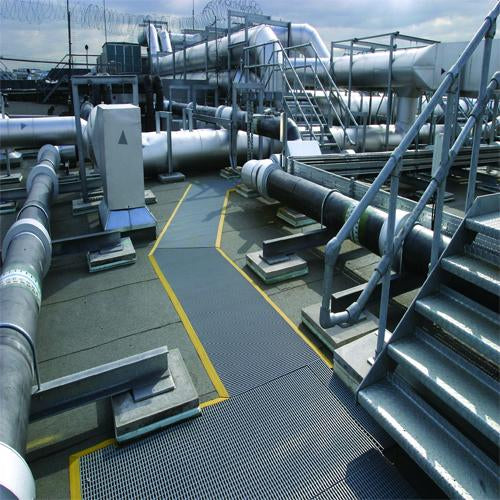
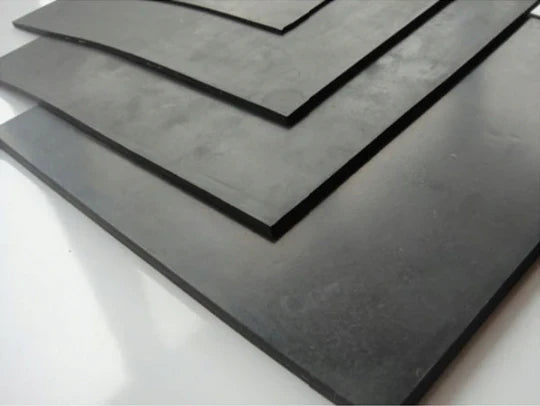
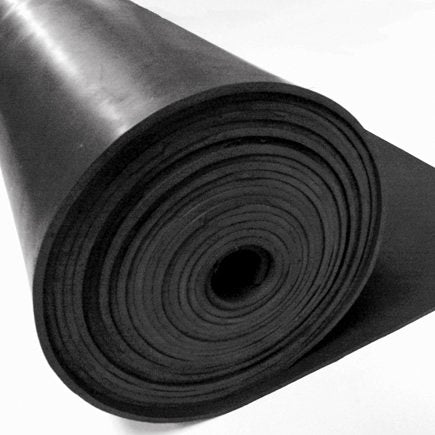
Industrial rubber flooring is the specified solution for UK factories, warehouses, workshops, food production facilities, and commercial kitchens where standard flooring products fail. The demands of industrial environments — forklift traffic, chemical spills, constant foot movement, extreme weight loads, and stringent health and safety legislation — require rubber flooring engineered to exceed, not merely meet, operational requirements. This page covers all key decisions: compound selection, thickness specification, surface pattern, slip resistance, and compliance standards.
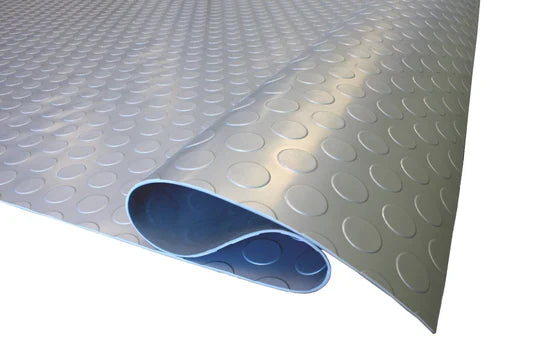
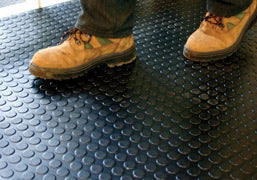
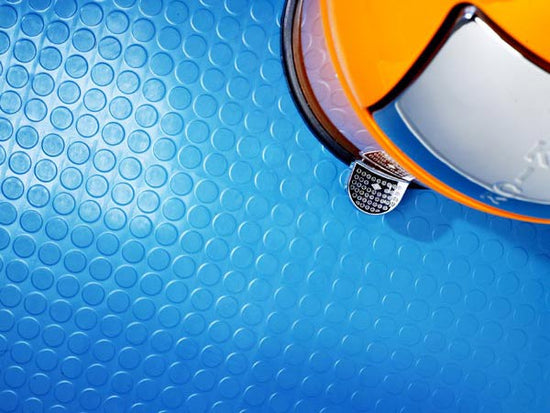
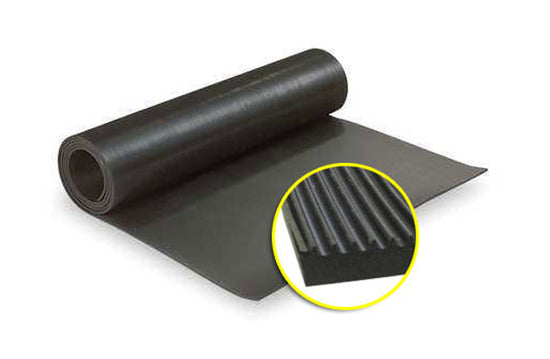
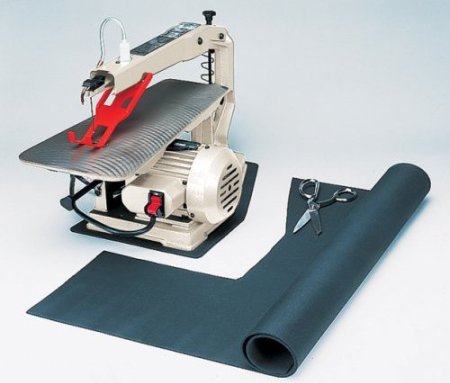
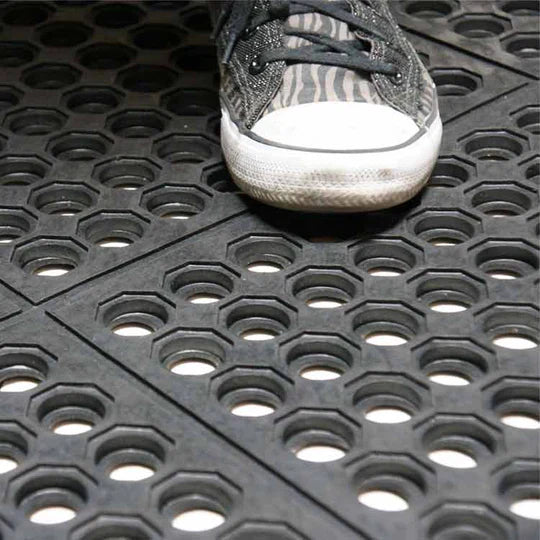
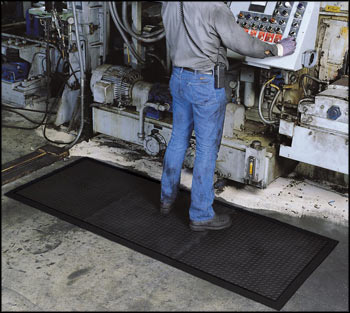
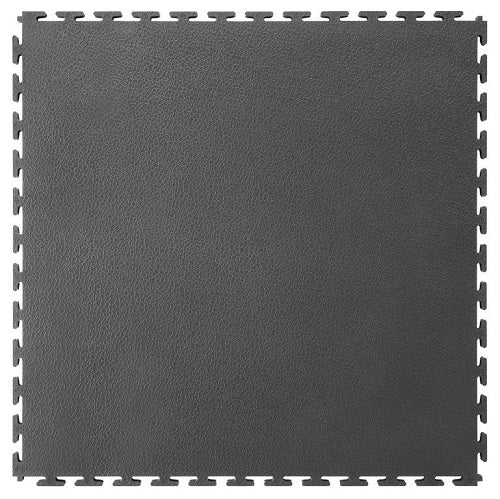
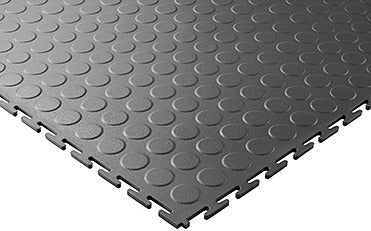
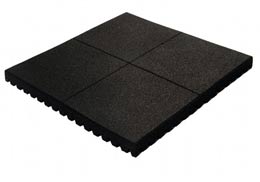
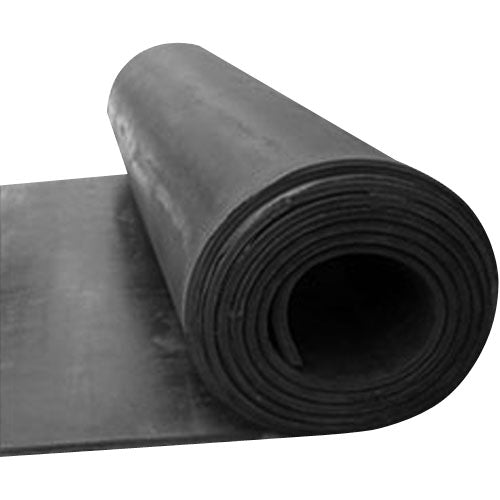
For factory and warehouse floors, the primary requirements are slip resistance (DIN 51130 R11+ for wet environments), load-bearing capacity for forklift and pallet truck traffic, and long-term durability under continuous heavy use. Heavy-duty SBR rubber matting at 10–15mm with a studded or diamond-plate surface is the standard specification. For machine surrounds and workstation mats, add anti-fatigue rubber matting at 15–20mm to reduce operative fatigue and improve production line productivity.
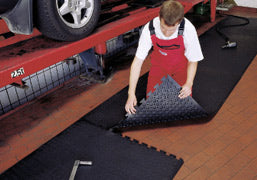
Workshops present the specific challenge of oil, grease, cutting fluids, and fuel contact. Standard SBR rubber degrades when exposed to petroleum-based products — the correct compound for workshop environments is nitrile (NBR) rubber, which provides excellent resistance to oils, fuels, hydraulic fluid, and greases. Specify nitrile rubber matting at 6–12mm for workshop floors. Add anti-fatigue nitrile mats at 12–20mm for permanent standing workstations.
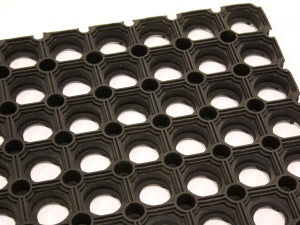
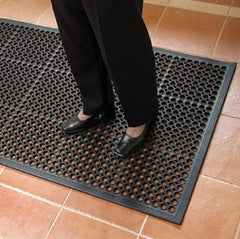
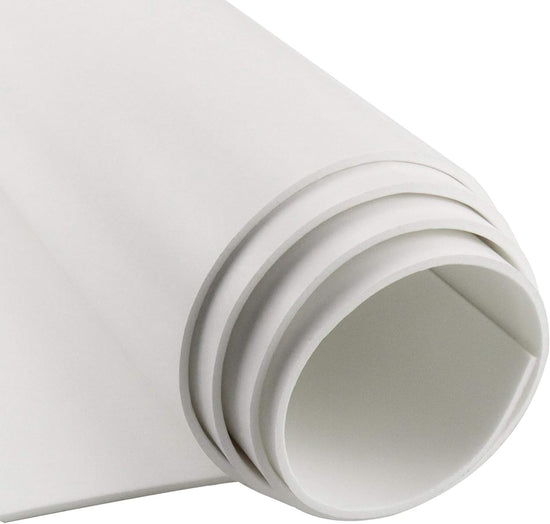
Food production environments require rubber flooring compliant with EC Regulation 852/2004 (food hygiene). Specify food-grade rubber compounds manufactured without plasticisers or additives that could contaminate food products. Drainage-channel surface patterns (R12–R13 rated) are essential in wet food production areas. Anti-fatigue rubber matting at standing workstations reduces staff fatigue during long shifts and improves hygiene by elevating feet above floor-level water.
Electrical switchrooms, transformer bays, and high-voltage maintenance areas require specialist anti-static or electrical-insulating rubber matting. Our electrical safety matting complies with BS EN 61111 (Class 00 through Class 4, rated 5kV to 36kV). This is a specific safety-critical application — do not substitute general-purpose rubber matting for electrical safety environments.
Loading bays combine the worst of all industrial challenges: forklift traffic, vehicle loading, outdoor weather exposure, and constant wet conditions. For loading bay ramps and approaches, specify heavy-duty EPDM rubber matting at 12–15mm with a studded or diamond-plate surface rated R11–R12. EPDM provides the UV and weather resistance SBR lacks in outdoor-exposed applications.
Cold storage environments present unique challenges for rubber — extreme temperatures affect hardness and flexibility. Specify EPDM or silicone rubber matting for cold store environments (operating down to -40°C). Anti-fatigue matting in cold stores also provides critical thermal insulation between operatives' feet and the frozen floor surface, significantly reducing the health impact of prolonged cold exposure.
| Compound | Best Industrial Use | Oil/Fuel | Chemical | UV/Outdoor | Temp Range |
|---|---|---|---|---|---|
| SBR | General factories, warehouses, dry walkways | ❌ Avoid | ⚠️ Limited | ⚠️ Indoor only | -20°C to +80°C |
| Nitrile (NBR) | Workshops, garages, oil/fuel areas | ✅ Excellent | ⚠️ Moderate | ❌ Indoor only | -20°C to +100°C |
| EPDM | Outdoor ramps, loading bays, food environments | ❌ Avoid | ✅ Good | ✅ Excellent | -45°C to +120°C |
| Neoprene (CR) | Combined oil and weather resistance | ✅ Good | ⚠️ Moderate | ✅ Good | -35°C to +120°C |
| Silicone | High-temp, food-grade, clean rooms | ⚠️ Limited | ⚠️ Moderate | ✅ Excellent | -60°C to +200°C |
| Viton® (FKM) | Extreme chemical, high-temp, aerospace | ✅ Excellent | ✅ Excellent | ✅ Excellent | -20°C to +200°C |
| Thickness | Application | Traffic | Anti-Fatigue |
|---|---|---|---|
| 3–6mm | Light industrial, clean rooms, offices | Foot traffic only | Minimal |
| 8–10mm | Factory walkways, warehouse aisles | Foot + pallet trucks | Moderate |
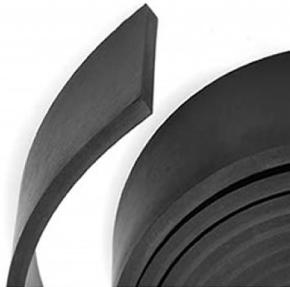
| 10–15mm ⭐ | Heavy factory floors, forklift areas | Heavy foot + forklift | Good |
| 15–20mm | Machine bases, heavy industrial | Very heavy loads | Excellent |
| 20–25mm | Machinery isolation, vibration damping | Point loads, vibration | Maximum |
| Standard | What It Covers | Required For |
|---|---|---|
| Workplace Regs 1992, Reg 12 | Floor condition, suitability, slip/trip prevention | All UK commercial and industrial premises |
| DIN 51130 (R-rating) | Ramp slip test; R9 to R13 rating | Industrial, kitchen, ramp, and wet environments |
| BS 7976-2 (PTV) | Pendulum Test Value — wet slip resistance | All pedestrian floor surfaces |
| EC Regulation 852/2004 | Food hygiene floor requirements | All food production and preparation areas |
| BS EN 61111 | Electrical insulating matting — rated 5kV to 36kV | Electrical switchrooms, HV maintenance areas |
| BS EN ISO 10874 | Use class — heavy commercial (33), heavy industrial (43) | Commercial and industrial floor specification |
| COSHH Regulations 2002 | Hazardous substance control — relevant for chemical-resistant flooring | Environments with hazardous chemicals or solvents |
Workers standing on hard industrial floors for 8-hour shifts suffer measurable increases in fatigue, musculoskeletal complaints, and reduced productivity. Studies consistently show that anti-fatigue rubber matting at production line workstations, quality control stations, and assembly benches delivers a 12–18% improvement in worker concentration and comfort, directly reducing error rates and sick days. The cost of properly specified anti-fatigue rubber matting is recovered through productivity gains and reduced absenteeism within 6–12 months for most UK industrial operations.
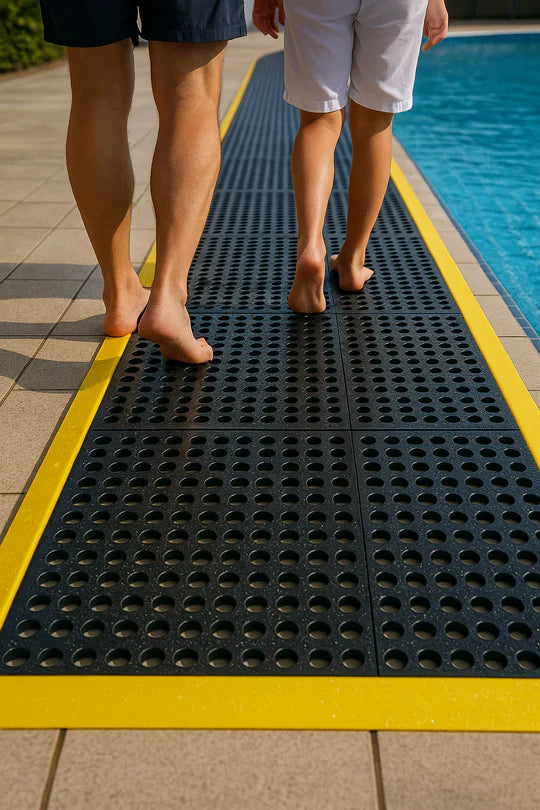
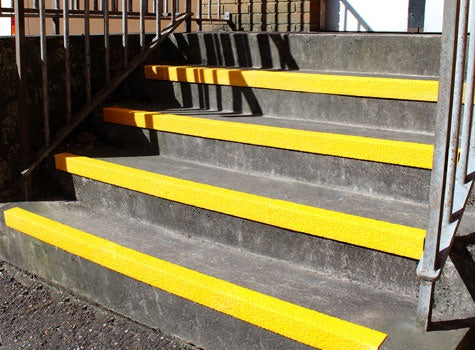
The correct specification is 15–20mm cushioned rubber at 45–55 Shore A (softer than standard industrial rubber to provide the required micro-movement stimulus). Anti-fatigue mats must have bevelled edges of maximum 6mm rise over 100mm to prevent trip hazards. Yellow high-visibility edging is recommended for workstations in factory environments with moving equipment.
| Property | Rubber Matting | PVC Matting | Polyurethane | Concrete Sealant |
|---|---|---|---|---|
| Slip resistance | ✅ R11–R13 | ⚠️ R10 | ⚠️ R10 | ⚠️ R9–R10 |
| Anti-fatigue | ✅ Excellent | ⚠️ Moderate | ✅ Good | ❌ None |
| Chemical resistance | ✅ Compound-specific | ⚠️ Moderate | ✅ Good | ⚠️ Limited |
| Oil resistance | ✅ Nitrile grade | ⚠️ Limited | ✅ Good | ⚠️ With sealing |
| Durability (years) | ✅ 15–25 | ⚠️ 8–12 | ✅ 10–20 | ⚠️ 5–8 |
| Installation | ✅ Quick, no cure time | ✅ Quick | ❌ Multi-day pour | ❌ Multi-day cure |
| Replacement | ✅ Section by section | ✅ Easy | ❌ Full recoat | ❌ Full recoat |
| Cost | ✅ Low–Medium | ✅ Low | ⚠️ Medium-High | ✅ Low |
Verified reviews from UK buyers
































Dispatch in 24 Hours
Satisfaction Guarantee
Secure Payments
sales@rubberco.co.uk


