





















Industrial Rubber Mats UK | Anti-Fatigue, Anti-Slip & Oil-Resistant | Free Delivery
3 products
3 products
Updated June 2026
Industrial rubber mats are specification products — selected to meet specific service conditions rather than aesthetic preferences. Correct specification prevents slip accidents, reduces fatigue-related injuries, and protects flooring from damage by heavy loads, chemicals, and mechanical wear. This guide covers the key categories and selection criteria for industrial rubber matting in UK manufacturing, logistics, food production, and engineering environments.
The HSE reports that slips and trips are the most common cause of major workplace injuries in the UK — accounting for over a third of all reported major injuries in manufacturing and logistics. Properly specified industrial rubber matting is one of the most effective and cost-efficient interventions available.
| Mat Type | Primary Use | Key Property | Typical Thickness |
|---|---|---|---|
| Anti-Fatigue Mat | Standing workstations, assembly lines | Ergonomic cushioning reduces MSD risk by 36-58% | 12–20mm |
| Anti-Slip / Safety Mat | Walkways, wet areas, ramps | R11–R13 slip rating, drainage channels | 6–12mm |
| Electrical Safety Mat | Switchgear, electrical panels | BS EN 61111 insulation rating | 6–12mm |
| Chemical Resistant Mat | Chemical processing, labs | Nitrile/neoprene compound | 6–10mm |
| Welding / Spark Mat | Welding bays, hot work areas | Flame-retardant, spark-resistant | 6–10mm |
| Heavy Duty Floor Matting | Factory aisles, vehicle entry | High abrasion resistance, vehicle rated | 8–15mm |
| Machinery Vibration Mat | Under CNC, compressors, pumps | Vibration isolation / anti-vibration | 25–50mm |
| ESD Anti-Static Mat | Electronics assembly, PCB manufacturing | 10⁶–10⁹ Ω controlled resistance | 6–12mm |
Industrial flooring alternatives to rubber include epoxy coatings, PVC tiles, and concrete sealants. Each has a legitimate role in specific environments, but rubber consistently outperforms alternatives in the demanding conditions of UK manufacturing and industrial facilities:
The Health and Safety Executive (HSE) references anti-fatigue matting in its guidance on musculoskeletal disorders (MSDs) and Standing at Work (HSG57). Key requirements:
Manufacturing facilities require flooring that withstands continuous shift work, heavy machinery, forklift access, and often chemical or fluid exposure. Anti-fatigue matting at assembly-line workstations is explicitly recommended by the HSE (INDG269) as a control measure for work-related musculoskeletal disorders. HSE research confirms 36–58% reduction in lower limb fatigue with properly specified anti-fatigue matting compared to bare concrete. Heavy-duty rubber tiles (12–15mm interlocking) are the preferred specification for production floor areas — they install during shutdown periods without specialist contractors and individual damaged tiles can be replaced without relaying the entire floor.
In automotive workshops, oil and hydraulic fluid contamination of flooring is inevitable. Standard SBR rubber absorbs these fluids and degrades within months. Nitrile rubber matting rolls or tiles are the mandatory specification for any area where oil or fuel contact is possible. Our nitrile workshop mats resist petroleum-based lubricants, hydraulic fluid, diesel, and most cutting fluids used in engineering machining operations. For workshop inspection pits: open-grid nitrile drainage mats allow fluids to drain through while maintaining grip for technicians. Replace workshop rubber matting when the surface profile is worn smooth — typically every 5–8 years in a busy workshop environment.
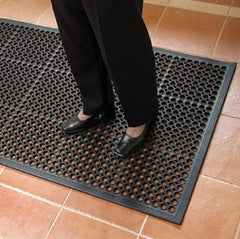
UK food production facilities must comply with Food Safety (General Food Hygiene) Regulations. Flooring must be non-porous, easy to clean, and resistant to the cleaning chemicals used in washdown operations. Our food-grade nitrile drainage mats provide: open-grid construction allowing liquid and debris to drain through the mat surface; grease and cooking fat resistance; R11–R12 slip resistance in contaminated wet conditions; and HACCP-compatible colour options (white, blue, food-grade grey). All mats must be easily liftable for floor cleaning beneath — a requirement under EC Regulation 852/2004 and regularly checked by EHO inspectors.
Electrostatic discharge (ESD) is one of the primary causes of component failure and warranty returns in electronics manufacturing. Our ESD anti-static mats dissipate electrostatic charges through a controlled resistance pathway (10⁶–10⁹ ohms) to an earthing point, preventing damaging discharge to sensitive PCBs and components. Compliant with IEC 61340-4-1 standards for ESD workstations. Available in anti-fatigue formats for standing operators.
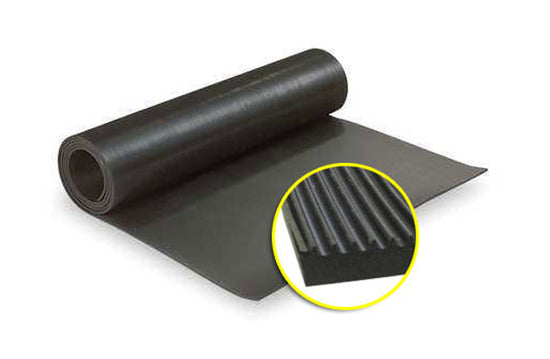
Distribution centres and warehouses present specific flooring challenges: vast areas of concrete floor, heavy pallet jack and forklift traffic, and workers on their feet for full 8–12 hour shifts. Our warehouse rubber matting solutions address all three: anti-fatigue rubber tiles at picking workstations reduce worker fatigue and sick days; heavy-duty ribbed rubber rolls in aisles provide anti-slip grip in all conditions; and 15mm+ tiles in loading bays withstand continuous forklift traffic without permanent deformation. HSE statistics show warehouse workers have above-average rates of lower limb musculoskeletal disorders — anti-fatigue matting at pick stations is one of the most cost-effective interventions available.
Switchgear rooms, electrical substations, and high-voltage equipment areas require BS EN 61111 certified rubber insulating matting. Standard rubber matting is NOT suitable — it has no guaranteed electrical insulation properties. Our Class 0 mats are rated to 1,000V AC; Class 1 to 7,500V AC; Class 2 to 17,000V AC. Electrical safety mats must be inspected regularly and retested at least every 12 months. Keep test certificates on file — HSE inspectors specifically look for these in electrical environments.
| Compound | Oil Resistance | Chemical Resistance | UV/Outdoor | Temperature Range | Best Industrial Use |
|---|---|---|---|---|---|
| SBR | Poor | Moderate | Poor | -20°C to +70°C | General factory floors, warehouses, dry workshops |
| Nitrile (NBR) | Excellent | Good | Poor | -30°C to +100°C | Workshops, kitchens, automotive, food production |
| EPDM | Poor | Excellent (acids/alkalis) | Excellent | -40°C to +120°C | Outdoor areas, chemical plants, pharmaceutical |
| Neoprene (CR) | Moderate | Good | Good | -40°C to +100°C | Marine, refrigeration, mild chemical areas |
| Electrical Insulating | N/A | Moderate | Poor | -20°C to +50°C | Electrical substations, HV switch rooms |
| ESD Anti-Static | Good | Good | Poor | -20°C to +80°C | Electronics assembly, cleanrooms, PCB manufacturing |
| Thickness | Application | Load Rating |
|---|---|---|
| 6–8mm | Light industrial corridors, walkways, entrance areas | Pedestrian + light trolley traffic |
| 10–12mm | Anti-fatigue standing workstations, assembly lines, machine operator positions | Pedestrian, standing use |
| 12–15mm | Factory floors, light forklift access, heavy pedestrian traffic | Pallet trucks, occasional forklift |
| 15–22mm | Loading bays, heavy industrial, vehicle workshop floors | Full forklift traffic, HGV access areas |
| 25–50mm | Anti-vibration machine bases, compressor mounts, CNC isolation | Static machine load, vibration isolation |
Industrial rubber matting delivers measurable financial returns that consistently justify the investment:
| Benefit | Typical Value | Source |
|---|---|---|
| Reduction in lower limb sickness absence (standing workers) | 15–25% | HSE Research Report RR054 |
| Productivity improvement (task accuracy, standing workstations) | 5–12% | Madeleine et al., occupational medicine literature |
| Fatigue reduction (anti-fatigue matting vs concrete) | 36–58% | Meta-analysis, 22 studies |
| Slip accident reduction (anti-slip matting vs bare concrete) | Up to 90% | HSE industrial floor safety data |
| Mat cost per workstation (15mm commercial grade) | £25–£55 | Rubberco 2026 pricing |
| Annual value of 1% productivity improvement (UK median manufacturing wage) | £230–£260 per worker | ONS 2026 wage data |
For a production line with 20 standing operators, the total anti-fatigue mat investment of £500–£1,100 typically recovers within 4–8 weeks from productivity improvement alone, before accounting for the longer-term sickness absence reduction benefit and reduced employer liability exposure.
Industrial concrete floors in UK factories and warehouses present specific preparation challenges:
The choice between interlocking tiles and loose-lay rolls for industrial environments depends on:
| Mat Type | Daily | Weekly | Monthly | Annual |
|---|---|---|---|---|
| Anti-fatigue mats | Check compression recovery | Clean with neutral detergent | Inspect compression set, edges | Replace if compression set >25% |
| Anti-slip floor mats | Sweep/remove debris | Mop/pressure wash | Check slip resistance | Replace when profile worn smooth |
| Electrical insulating mats | Visual inspection only | Clean with dry cloth | Inspect for cracks/contamination | Electrical retest (BS EN 61111) |
| Nitrile kitchen/workshop mats | Hose/wipe down | Pressure wash, disinfect | Lift and clean underneath | Inspect compound integrity |
| ESD anti-static mats | Clean surface | Check ground connection | Test surface resistance | Full ESD verification test |
Industrial mats include: anti-fatigue mats (for standing workstations), anti-slip drainage mats (for wet process areas), swarf-trapping mats (for machining areas), oil-resistant nitrile mats (for workshops and kitchens), ESD anti-static mats (for electronics manufacturing), electrical insulating mats (BS EN 61111 certified), and heavy-duty rubber tiles or rolls for factory floors, warehouses, and loading bays.
For most UK electrical panel and switchgear applications (240V–415V), Class 0 (rated to 1,000V AC) or Class 00 (rated to 500V AC) is the correct specification. Class 1 is required for up to 7,500V AC; Class 2 for up to 17,000V AC. Always consult a qualified electrician for specification in your environment. Electrical safety mats must be retested annually and any mat showing cracks, cuts, or contamination must be replaced immediately regardless of test date.
Nitrile rubber (NBR) is the mandatory specification for any area with oil, fuel, or hydraulic fluid contamination. Standard SBR rubber will absorb petroleum products and degrade rapidly in oily environments. Nitrile matting resists engine oil, hydraulic fluids, diesel, cutting oils, and most petroleum-based lubricants used in engineering and automotive environments.
Test monthly: press the mat surface firmly and time the recovery. Recovery within 1–2 seconds indicates the mat is performing correctly. Recovery taking 3+ seconds indicates the core is compressing permanently. Quality rubber anti-fatigue mats in commercial use typically last 5–10 years. Economy foam mats typically lose effectiveness within 12–18 months of heavy commercial use.
Yes — for food production and commercial kitchen environments, specify food-grade nitrile or EPDM rubber matting. These compounds are resistant to animal fats, cooking oils, and cleaning chemicals. White and blue colour options are available for food-safe environments, and all our food-grade matting is non-toxic and HACCP compatible. Provide compound data sheets for HACCP documentation on request.
Anti-fatigue matting is designed for humans to stand on — it provides ergonomic cushioning (Shore A 30–50 hardness) to reduce leg and lower back fatigue at standing workstations. Anti-vibration matting is placed under machinery — it isolates vibration from compressors, pumps, CNC machines, and generators to protect the building structure and reduce noise (Shore A 60–80 hardness, 25–75mm thick natural or EPDM rubber). These products have fundamentally different specifications and are not interchangeable.
Yes. All Rubberco rubber matting rolls and sheets are available cut to your exact required dimensions — specify length and width at checkout or contact our team for large project requirements. We cut from standard width rolls (typically 1m, 1.2m, 1.4m depending on product) with a clean, straight edge. No minimum order. Large volume orders (50m² or more): contact our commercial team for dedicated project pricing.
Verified reviews from UK buyers
































Dispatch in 24 Hours
Satisfaction Guarantee
Secure Payments
sales@rubberco.co.uk


