



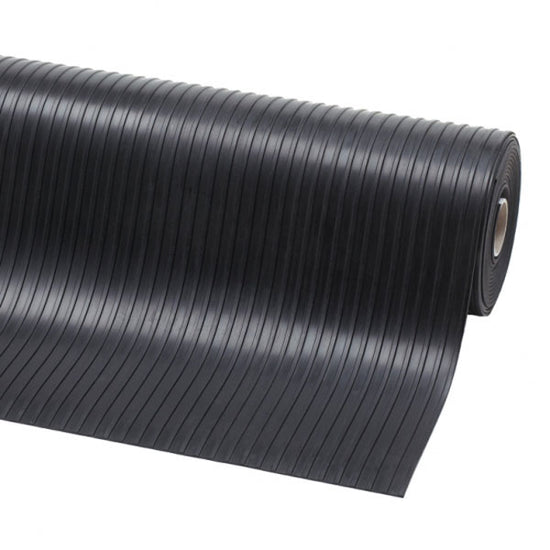
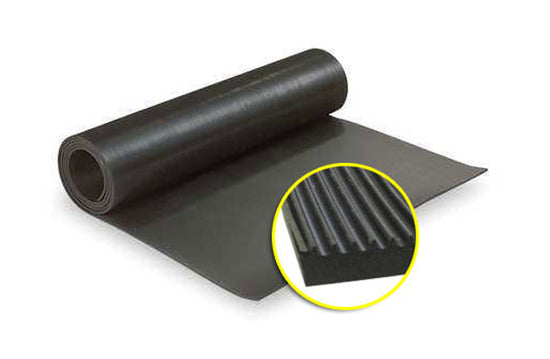







Gym Mats
2 products
2 products
Updated June 2026 — Expanded with full thickness guide, SBR vs EPDM comparison, noise reduction data, 8-question FAQ, and commercial vs home gym selector.
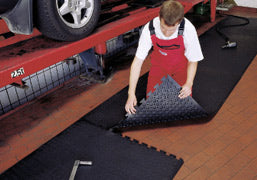
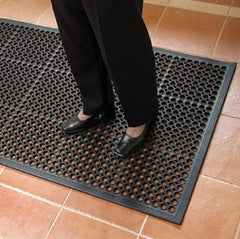
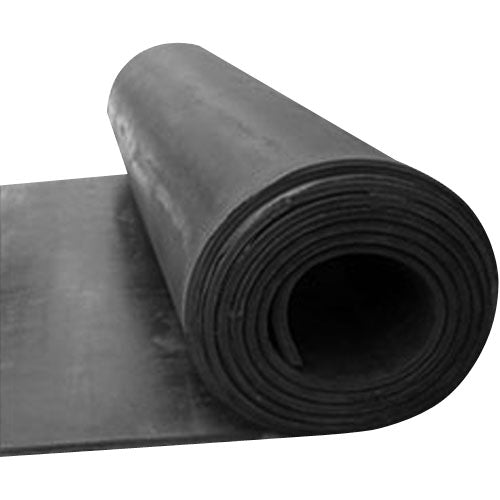
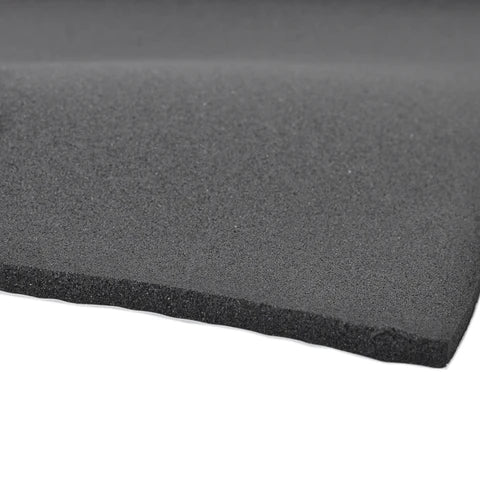
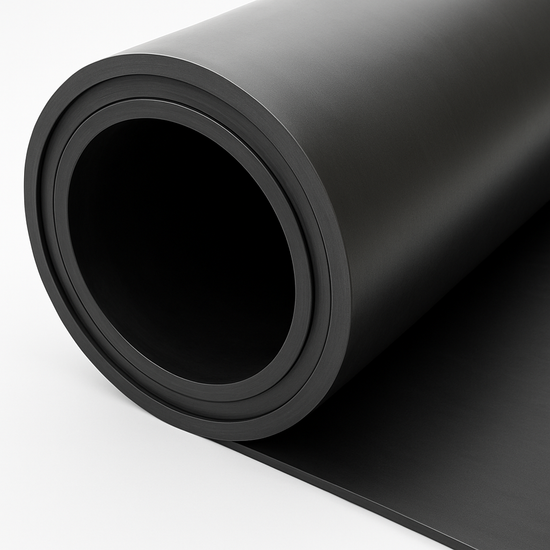
The right gym mat is the foundation of a safe, high-performing fitness space. Whether you are fitting out a home gym, commercial fitness centre, CrossFit box, school sports hall, or rehabilitation studio, Rubberco supplies the UK's widest range of rubber gym mats — with free delivery across mainland Great Britain.
| Use Case | Recommended Type | Thickness | Best For |
|---|---|---|---|
| Home gym — cardio | Interlocking tiles or roll | 10–15mm | Treadmill, bike, rowing machine |
| Home gym — free weights | Heavy duty interlocking tiles | 15–20mm | Dumbbells, barbells, kettlebells |
| Home gym — Olympic lifting | Platform tiles or deadlift mat | 20–25mm+ | Dropped barbells, weightlifting |
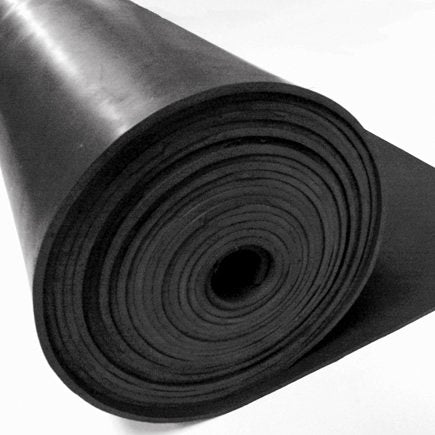
| Commercial gym | Commercial grade rubber rolls | 15–20mm | High traffic, all-day use |
| CrossFit / functional training | Amoebic linkable tiles | 17–20mm | Box jumps, sleds, dropped equipment |
| Yoga / Pilates studio | Smooth rubber or EVA tiles | 8–12mm | Cushioning, non-slip barefoot surface |
| School sports hall | Rubber rolls or heavy tiles | 10–15mm | Multi-sport, high footfall |
| Physiotherapy / rehab | Premium smooth rubber tiles | 12–15mm | Patient safety, cushioning |
| Property | SBR Recycled | EPDM Virgin | Natural Rubber |
|---|---|---|---|
| Cost | Low | Mid–High | Mid |
| Odour (new) | Strong — fades in 4–8 weeks | Minimal | Mild |
| Durability | Good (8–12 years) | Excellent (12–20 years) | Good (8–12 years) |
| UV Resistance | Moderate | Excellent | Poor |
| Colour options | Black / fleck | Full colour range | Black / grey |
| Shock absorption | Good | Very Good | Excellent |
| Best for | Home gyms, budget commercial | Premium commercial, outdoor | Performance training |
| Mat Thickness | Impact Noise Reduction | Real-World Equivalent |
|---|---|---|
| No mat (bare concrete) | 0dB baseline | Very loud |
| 10mm rubber | 12–15dB reduction | Noisy restaurant → quiet cafe |
| 15mm rubber | 16–18dB reduction | Office → quiet library |
| 20mm rubber | 18–22dB reduction | Busy office → quiet room |
| 25mm rubber | 22–26dB reduction | Near-complete impact isolation |
Home gym cardio: 10–15mm. Free weight zones: 15–20mm. Olympic lifting: 20–25mm+. Commercial: 15mm minimum, 20–25mm in free-weight zones.
Interlocking rubber tiles 15–20mm thick. SBR recycled rubber tiles offer excellent value; EPDM tiles give premium durability and odour control.
Yes — 20mm rubber reduces impact noise by 18–22dB compared to bare concrete. For upper-floor home gyms, 20mm+ is strongly recommended.
EPDM rubber tiles are weather-resistant and UV-stable for covered outdoor gym areas. Standard SBR tiles degrade faster outdoors.
Sweep, then mop with warm water and pH-neutral cleaner. Avoid bleach or petroleum solvents. Deep clean weekly in commercial gyms; monthly at home.
Recycled SBR mats have a rubber odour that fades in 4–8 weeks with ventilation. Virgin EPDM has significantly less odour.
SBR (recycled rubber) is cost-effective with good durability. EPDM (virgin synthetic) has better UV resistance, lower odour, superior colour retention, and longer service life.
Yes — rubber gym mats are non-slip (COF 0.6+ wet), anti-trip with bevelled edges, and antimicrobial when cleaned regularly. The industry standard for commercial gyms.
Verified reviews from UK buyers
































Dispatch in 24 Hours
Satisfaction Guarantee
Secure Payments
sales@rubberco.co.uk


