


























Electrical Safety Rubber Matting
12 products
12 products
Updated May 2026
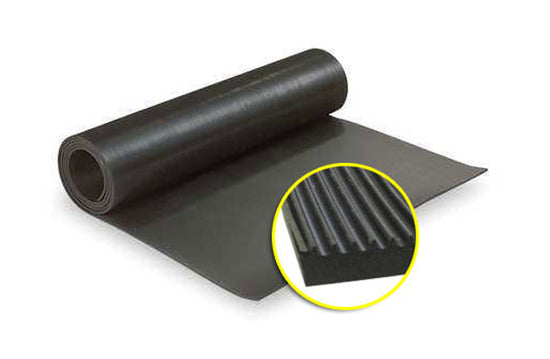
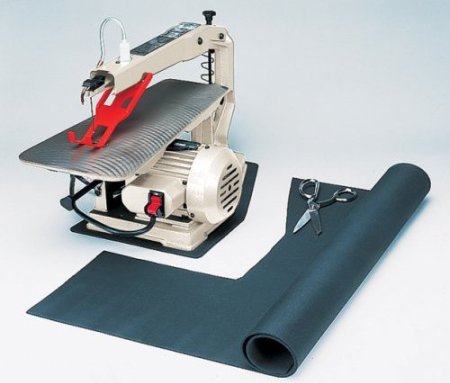
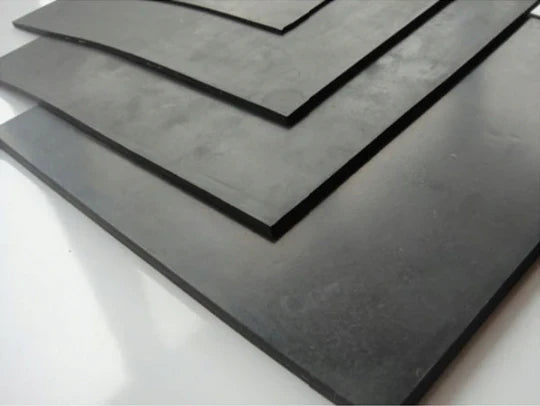
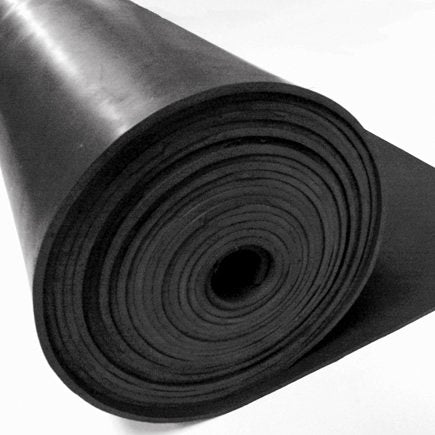
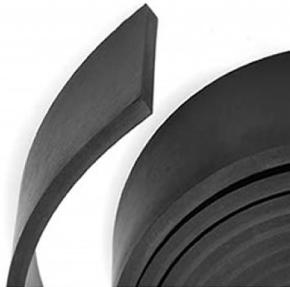
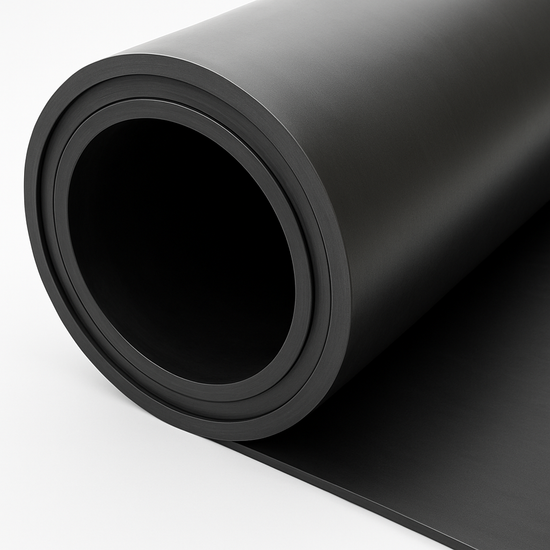
Electrical safety rubber matting protects personnel working on or near live electrical equipment by providing a high-resistance insulating barrier between the operator and earth. All Rubberco electrical safety matting is tested and certified to IEC 61111:2009 — the international standard for electrical insulating matting for use in LV and HV electrical installations.
IEC 61111:2009 defines five classes of electrical safety matting based on the maximum working voltage. Selecting the correct class is a legal and safety requirement — under-spec matting cannot provide the required protection:
| Class | Max Working Voltage (AC) | Proof Test Voltage | Typical Application |
|---|---|---|---|
| Class 00 | 500V AC | 2,500V | Low voltage domestic/light commercial switchgear |
| Class 0 | 1,000V AC | 5,000V | LV distribution boards, control panels up to 1kV |
| Class 1 | 7,500V AC | 10,000V (tested 20,000V) | Substations, switchrooms up to 7.5kV working |
| Class 2 | 17,000V AC | 20,000V (tested 30,000V) | 11kV and 33kV substations, high voltage switchgear |
| Class 3 | 26,500V AC | 30,000V (tested 40,000V) | High voltage installations, grid substations |
The correct matting class depends on the highest voltage present in the working area — not just the nominal system voltage:
When in doubt, always specify the next class up. Under-specification is a safety and liability risk — over-specification is simply a modest cost premium.
All electrical safety matting in this range complies with:
| Installation Type | Recommended Coverage | Notes |
|---|---|---|
| Single distribution board / consumer unit | 1m × 1m minimum | Cover full arm-reach area in front of board |
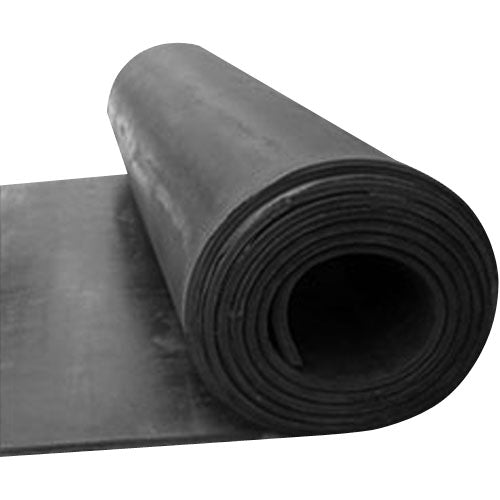
| LV switchroom / MCC panel | Full floor of operating area | Typically supplied in rolls cut to room width |
| HV substation (11kV / 33kV) | Full standing area + 500mm surround | Use Class 2 or Class 3 as appropriate |
| Mobile / portable use | 1m × 0.6m per operative | Rolled or folded portable mat; carry with test kit |
Electrical safety matting is life-critical PPE. A damaged or degraded mat provides no protection — regular inspection and periodic testing are mandatory:
Before each use, inspect the mat for: cuts, punctures, or tears in the rubber surface; delamination or bubbling (indicating moisture ingress or age-related degradation); contamination with conductive materials (carbon dust, metal swarf); and visible wear-through on high-traffic areas. A mat with any defect must be withdrawn from service immediately.
IEC 61111 recommends periodic electrical testing to verify insulating properties have not degraded. The industry practice for UK electrical installations:
Testing requires a high-voltage insulation tester capable of applying the class-specific proof voltage. Replacement is required if the mat fails to meet the dielectric strength specification of its class.
Replace electrical safety matting immediately if: the mat fails electrical testing; it shows visible cuts, punctures, or tears deeper than 1mm; there is delamination covering more than 5% of the surface; or it has been exposed to solvents, oils, or chemicals that may have compromised the rubber compound.
Yes — under the Electricity at Work Regulations 1989, employers must ensure that all electrical work is conducted with adequate precautions. The Health and Safety Executive (HSE) and IET Wiring Regulations (BS 7671) both specify insulating matting as a protective measure when working on or near live electrical equipment. For HV environments (above 1kV), electrical safety matting is a mandatory control measure under UK HSE guidance.
Class 00 is rated for up to 500V AC (2,500V proof tested) — covering domestic consumer units and light commercial switchgear up to 500V working. Class 0 is rated for up to 1,000V AC (5,000V proof tested) — the standard for UK 415V three-phase LV distribution boards, control panels, and industrial switchgear up to 1kV. Most UK commercial and industrial electricians working on LV systems should use minimum Class 0.
With correct storage (away from UV, ozone, oils, and solvents) and regular inspection, IEC 61111 electrical safety matting typically maintains its insulating properties for 10+ years. However, life expectancy is determined by condition rather than age — a mat must be electrically tested and visually inspected before continued use. Age alone does not invalidate a mat that passes electrical testing and visual inspection.
Electrical safety matting must be kept dry during use. Water on the mat surface can create conductive pathways that bypass the insulating properties of the rubber. Mats should be stored dry and inspected for moisture before each use. If a mat has been exposed to flooding or heavy water ingress, it must be fully dried and electrically tested before being returned to service.
The mat must cover the full standing/working area in front of the electrical equipment, with sufficient coverage for all positions adopted during the work. For a standard UK distribution board or panel, a minimum 1m × 1m mat covers typical working postures. For switchroom floors, matting is typically supplied in rolls cut to the full room width, providing continuous coverage of the working area.
Yes — test certificates confirming compliance with IEC 61111:2009 are available on request for all classes of electrical safety matting in our range. For compliance documentation, insurance, or project specifications requiring certification evidence, contact us when placing your order. Certificates are typically supplied by email within one working day.
⚠️ Safety Notice
Electrical safety matting is life-critical equipment. Always select the correct class for your installation voltage, inspect before each use, and replace any mat showing signs of damage or degradation. When in doubt about specification, consult a qualified electrical engineer or contact Rubberco's technical team for guidance.
Need Specialist Electrical Safety Matting?
Contact Rubberco for tailored electrical safety matting specifications, test certificates, and bulk project pricing. Free mainland UK delivery on qualifying orders.
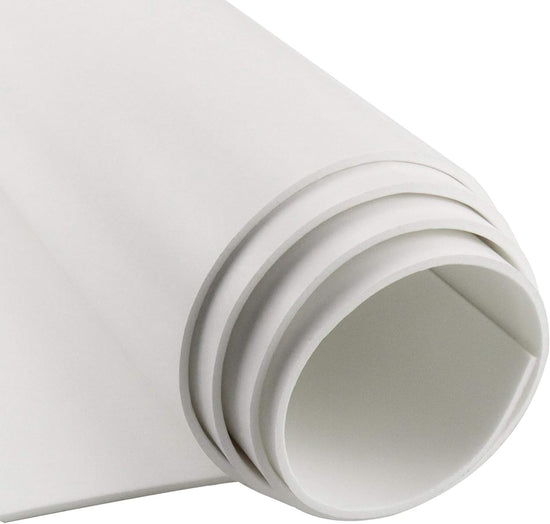
Get a Quote →Class II (white) is the minimum requirement for 11kV secondary substations in the UK. Class II matting is proof-tested to 20kV AC and rated for working voltages up to 17kV AC. Most DNO (Distribution Network Operator) specifications — including Western Power Distribution, SP Energy Networks, and UK Power Networks — mandate Class II as the minimum for 11kV switchgear rooms. Always check the specific DNO technical standard for your network area.
These are fundamentally opposite products that must never be interchanged. ESD (anti-static) matting is designed to slowly dissipate static electricity — it has moderate resistance (10⁶-10⁹ Ω) to allow controlled charge bleed-off. BS EN 61111 electrical insulating matting has extremely high resistance (greater than 10¹³ Ω) to prevent current flow and protect workers from electrocution. ESD matting in a switchgear room provides zero electrical protection and could accelerate electrocution.
BS EN 61111 does not specify a mandatory re-test interval — frequency is determined by risk assessment. Most organisations proof-test annually or biannually. Test immediately after any visible damage, chemical contamination, or suspected impact from tools. Retain test records as evidence of compliance under the Electricity at Work Regulations 1989. Some DNO specifications require annual proof testing as a condition of site access.
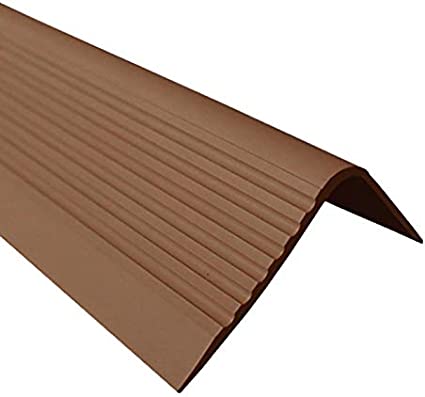
No. BS EN 61111 electrical insulating matting should never be bonded to the floor with adhesive. Adhesives may creep to the mat surface and create conductive paths that compromise insulation integrity. Matting must be loose-laid only. Use non-conductive edge ramps or trims to prevent lifting at edges. Metal edge trims must never be used — they create a conductive path to earth at the mat perimeter.
Verified reviews from UK buyers
































Dispatch in 24 Hours
Satisfaction Guarantee
Secure Payments
sales@rubberco.co.uk


