













Kennel Flooring
5 products
5 products
Updated May 2026
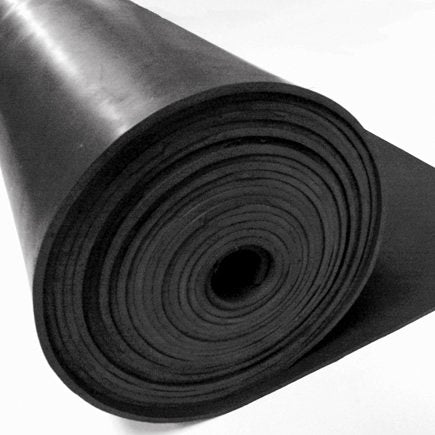
Rubber kennel flooring is the professional standard for UK dog kennels, cattery runs, and pet facility flooring — it's hygienic, non-slip, easy to clean, and provides a comfortable surface that reduces joint stress for dogs. This guide covers everything you need to choose the right kennel flooring.
Concrete is still the most common kennel floor material in the UK — but it's cold, hard on joints, and difficult to keep hygienic without specialist coatings. Rubber kennel matting solves all three problems:
| Type | Best For | Thickness |
|---|---|---|
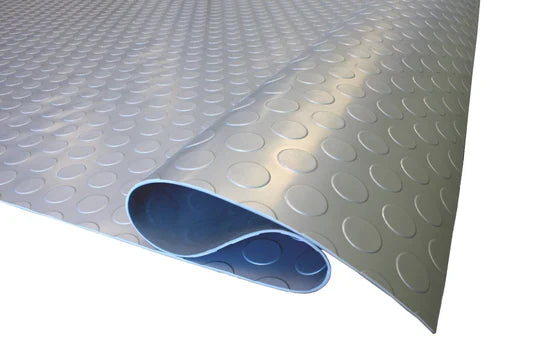
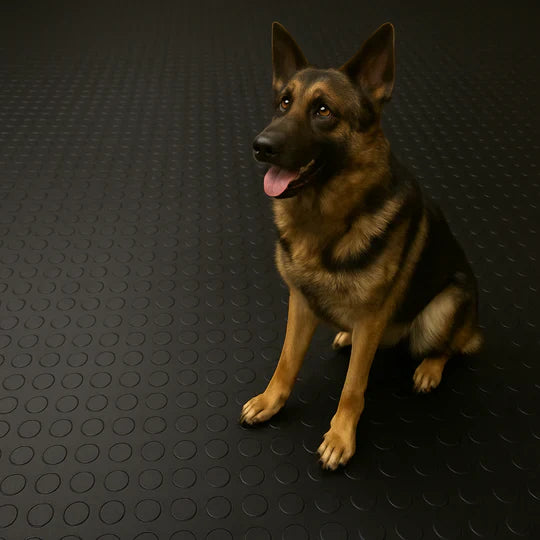
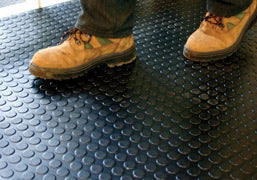
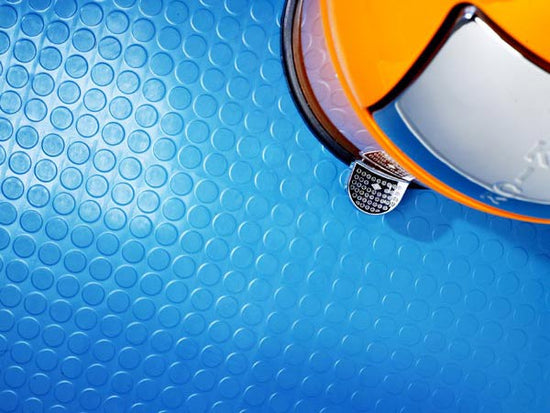
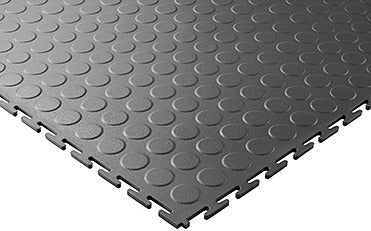
| Round dot rubber matting | Kennel runs, catteries, pet shops | 6–10mm |
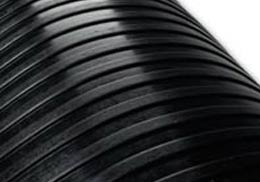
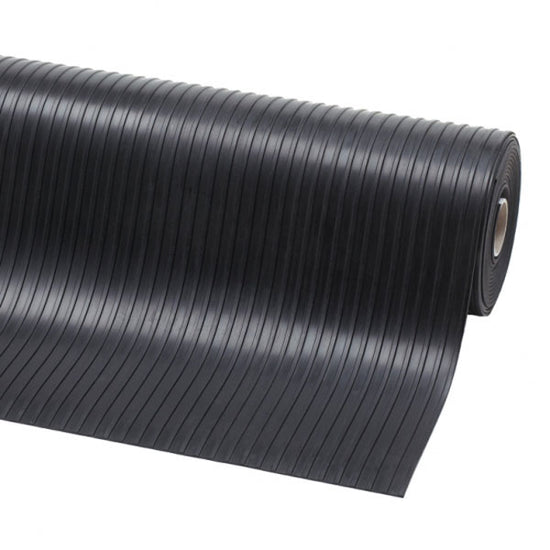
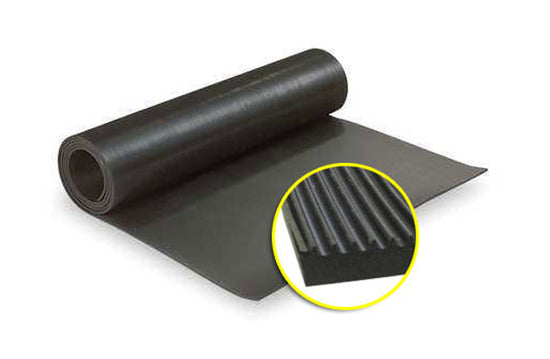
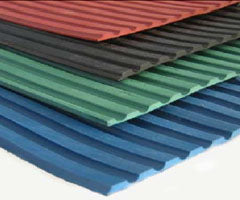
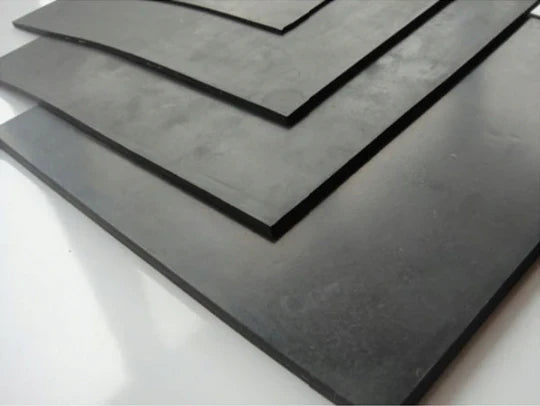
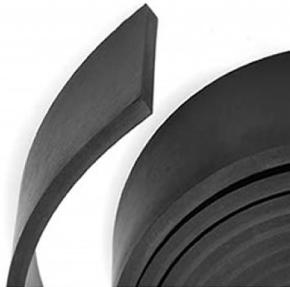
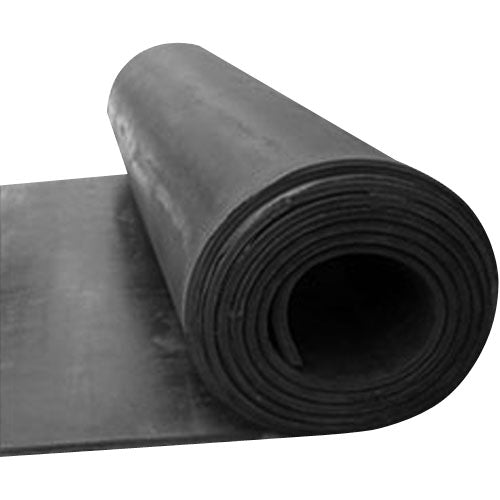
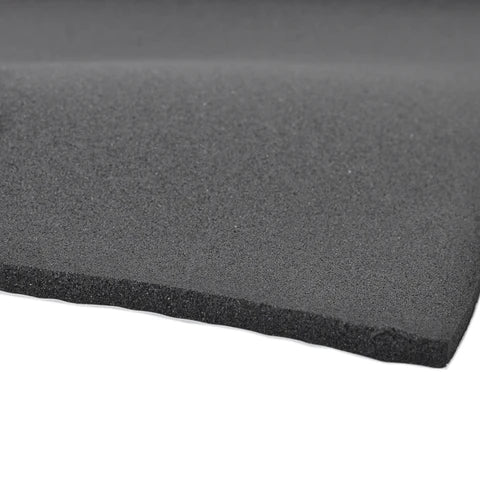
| Flat ribbed rubber matting | Kennel sleeping areas, grooming tables | 3–6mm |
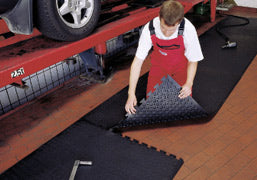
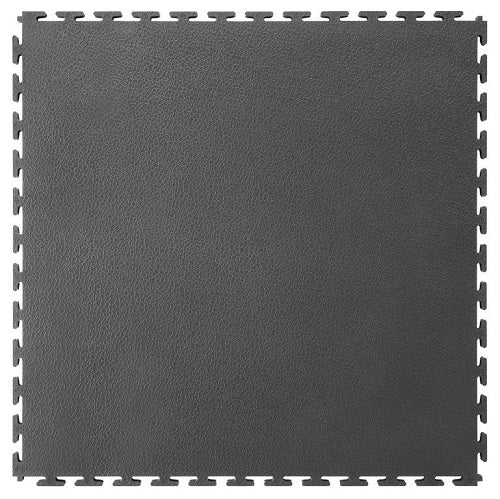
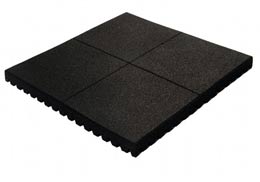
| Heavy-duty kennel tiles | High-volume boarding kennels, rescue centres | 10–15mm |
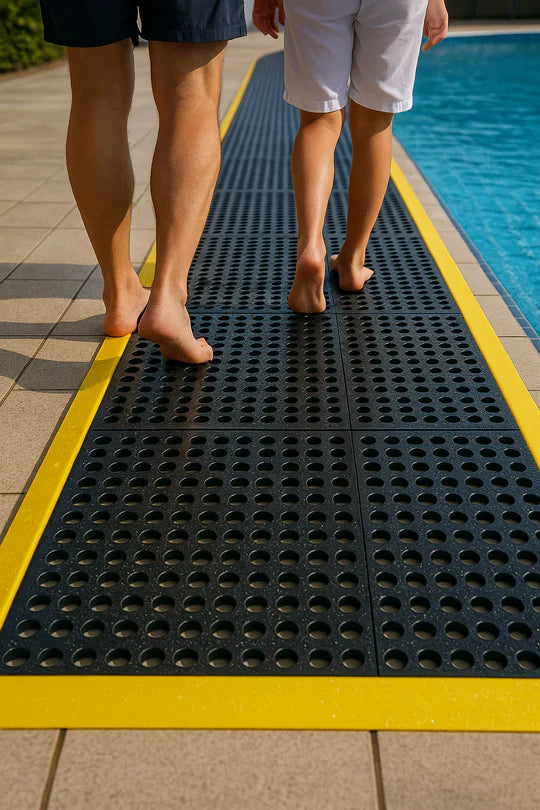
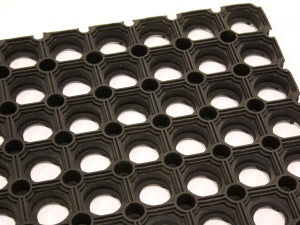
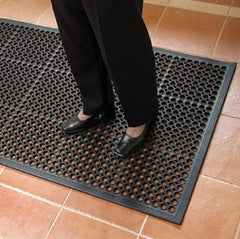
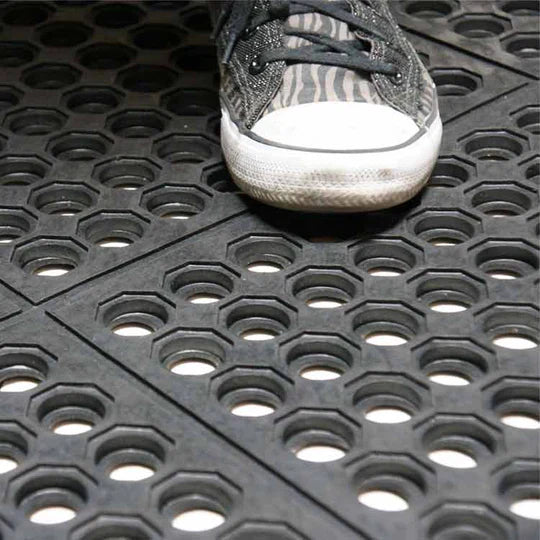
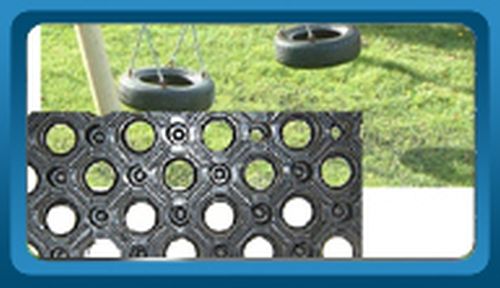
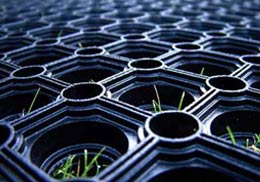
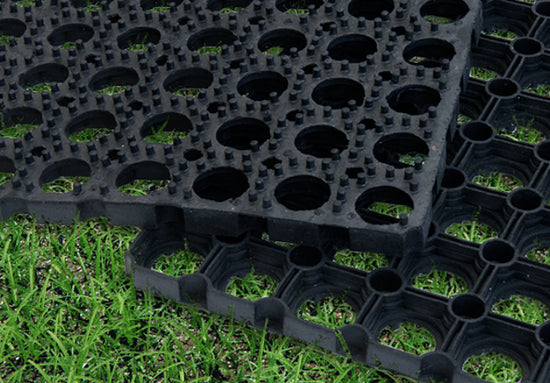
| Drainage link mats | Wet areas, outdoor runs, hose-down zones | 12–16mm |
Choosing the right thickness for kennel flooring depends on the size of dog and the type of area:
Proper maintenance keeps kennel flooring hygienic and extends its working life:
Heavy-duty rubber matting rated R11 for slip resistance is the professional standard for UK dog kennels. It's warm, hygienic, non-slip when wet, and protects dog joints better than bare concrete or vinyl. Round-dot or ribbed profiles are the most common patterns for kennel runs.
For general UK boarding kennels, 6–10mm is the standard thickness. For large breed facilities (dogs over 40kg), specify 10–15mm for better joint protection and thermal insulation from cold concrete.
Yes — all Rubberco kennel flooring is available cut to your exact dimensions. Specify your kennel run measurements when ordering and we'll cut to size with no extra charge.
Yes. Rubber is non-porous, so urine and disinfectants don't soak in. A daily hose-down and weekly disinfect is typically all that's needed. Avoid bleach-based products as prolonged exposure can degrade rubber compounds over time.
Yes — free UK mainland delivery on all kennel flooring orders. Most orders dispatch within 24 hours.
Understanding the cost of rubber kennel flooring helps you budget accurately and avoid being undersold on quality. Here are typical UK 2026 prices:
| Product Type | Typical Price Range | Expected Lifespan | Best For |
|---|---|---|---|
| Round-dot rubber matting (6mm) | £6–£10 / m² | 8–12 years | Cattery runs, smaller kennels |
| Flat ribbed rubber matting (3–6mm) | £4–£8 / m² | 8–15 years | Sleeping areas, grooming |
| Heavy-duty kennel tiles (10–15mm) | £12–£20 / m² | 12–20 years | High-volume boarding kennels |
| Drainage link mats (12–16mm) | £14–£22 / m² | 10–15 years | Wet runs, hose-down areas |
Cost tip: Cheaper rubber kennel mats with thin compound or recycled filler content may cost 30–40% less upfront but require replacement in 3–5 years vs 12–20 years for quality materials. In a commercial kennel with 20+ runs, the life-cycle cost difference is significant.
Installing rubber kennel matting is straightforward for most kennel configurations:
See our dog kennel flooring guide for detailed specification advice or browse our kennel flooring range.
Quality commercial rubber kennel flooring is vulcanised (heat-cured) and non-toxic, posing minimal risk if dogs lick or chew at edges. However, no rubber flooring is designed to be chewed — persistent chewing that removes chunks is a welfare and safety concern. For dogs that chew flooring, install with permanent adhesive to remove loose edges, or use a removable tile system that can be quickly replaced if damaged. SBR rubber is the most common material and carries no REACH-restricted substance concerns when sourced from reputable suppliers.
Commercial rubber kennel matting from reputable suppliers should last 10–15 years with regular maintenance. Signs that replacement is needed include: visible tearing or chunking, surface compression that no longer recovers, persistent odour despite proper cleaning, or loss of surface texture that reduces slip resistance. Annual inspection is good practice for commercial kennels. In a boarding kennel running 250+ days/year, replacing a single run's matting costs significantly less than a kennel injury claim.
| Product Type | Thickness | Price From | Best For | Expected Lifespan |
|---|---|---|---|---|
| Round dot rubber matting (cut to size) | 6mm | £8/m² | General kennel runs | 10+ years |
| Flat ribbed matting (cut to size) | 3–4mm | £5/m² | Sleeping areas, grooming | 10+ years |
| Heavy-duty kennel tiles (interlocking) | 15mm | £18/tile | High-volume boarding kennels | 12+ years |
| Open-grid drainage link mats | 16mm | £12/m² | Hose-down zones, outdoor runs | 8–12 years |
Different breeds and sizes have different flooring requirements:
The most common question from first-time kennel operators: is it worth the investment over bare concrete?
Based on a 10-year cost analysis for a 10-kennel boarding facility:
The Animal Welfare Act 2006 and CIEH Model Standards for Cat and Dog Boarding (2013) do not mandate rubber flooring specifically, but inspectors consistently recommend it as best practice for joint health and hygiene.
To calculate the amount of rubber kennel flooring required:
Use our rubber flooring calculator to get an accurate estimate.
UK boarding kennels must comply with local authority licensing requirements under the Animal Welfare (Licensing of Activities Involving Animals) (England) Regulations 2018. Key flooring requirements include:
| Material | Hygiene | Joint Protection | Warmth | Cost |
|---|---|---|---|---|
| Rubber matting | ✅ Excellent | ✅ Excellent | ✅ Good | ££ |
| Bare concrete | ⚠️ Moderate | ❌ Poor | ❌ Cold | £ |
| Vinyl sheet | ✅ Good | ⚠️ Moderate | ⚠️ Moderate | £ |
| Foam tiles | ❌ Poor | ✅ Good | ✅ Warm | £ |
Round-dot or ribbed rubber matting at 6–10mm is the most widely used kennel flooring for dog runs and sleeping areas. For high-volume boarding kennels or rescue centres, heavy-duty interlocking rubber tiles at 10–15mm give longer life and easier replacement of worn sections.
Hose down or pressure wash with warm water and a kennel-safe disinfectant. Avoid bleach-based cleaners used neat, as these degrade rubber over time — always dilute as directed. For urine odour, enzyme-based kennel disinfectants work best and are safe for rubber surfaces.
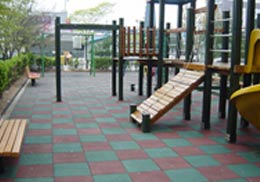
Yes. EPDM rubber or recycled SBR crumb rubber tiles are suitable for outdoor kennel runs. For long-term outdoor use, EPDM has better UV and weather resistance than standard SBR. Drainage-link rubber mats are ideal for outdoor runs as they allow rain and hose water to drain freely.
New rubber matting has a mild rubber odour that dissipates within a few weeks. Recycled SBR grades (made from tyre crumb) may have a stronger initial smell. Once broken in, rubber kennel floors do not hold urine or faecal odour — they can be fully disinfected, unlike concrete which is porous.
For sleeping areas and general kennel floors, 6–10mm rubber matting is standard. For large breeds, older dogs, or high-welfare facilities, 10–15mm provides better joint cushioning. For outdoor drainage runs, drainage-link mats at 12–16mm are recommended.
Yes — rubber kennel flooring is used by UK vets, RSPCA centres, boarding kennels, and rescue organisations. It is non-toxic, non-porous (so it does not harbour bacteria), provides safe non-slip footing, and reduces the risk of joint problems from hard concrete exposure. Always ensure rubber products do not contain harmful additives — all Rubberco kennel matting is safe for animal contact.
Verified reviews from UK buyers
































Dispatch in 24 Hours
Satisfaction Guarantee
Secure Payments
sales@rubberco.co.uk


